 English
 Español
 русский
 中文简体
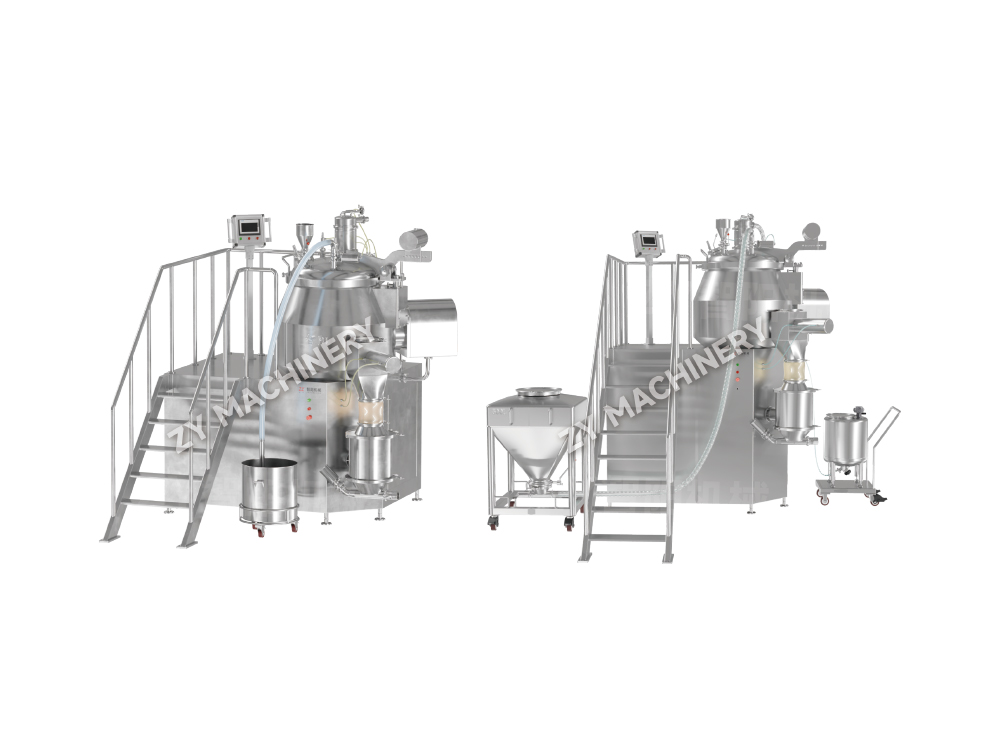
中文简体GHL High Speed Mixing Granulator
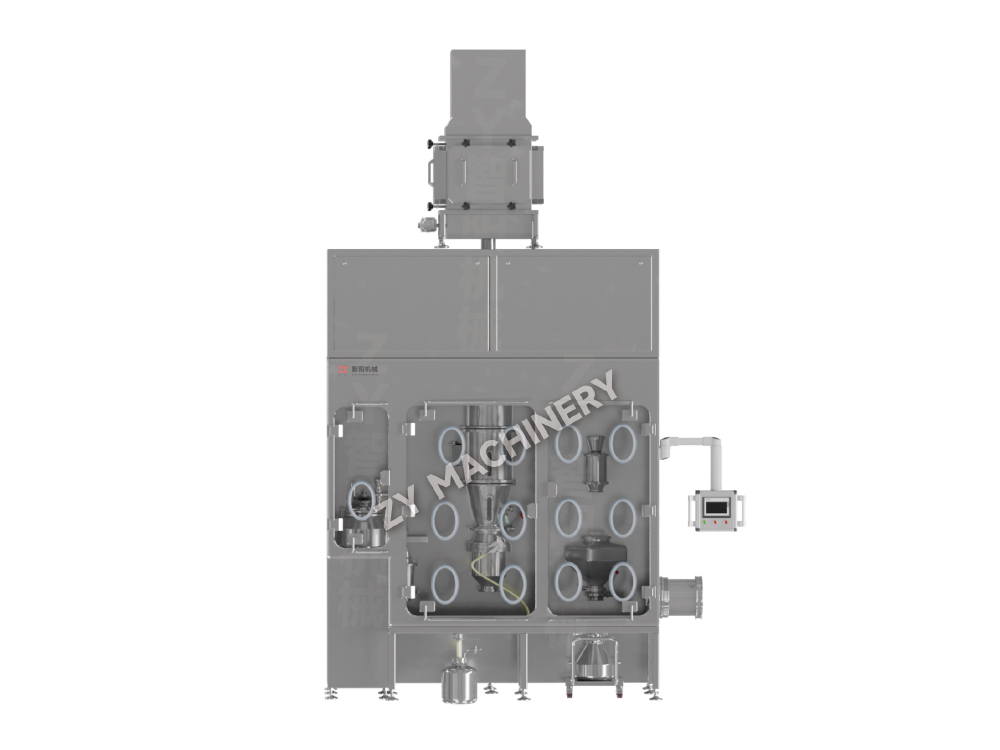
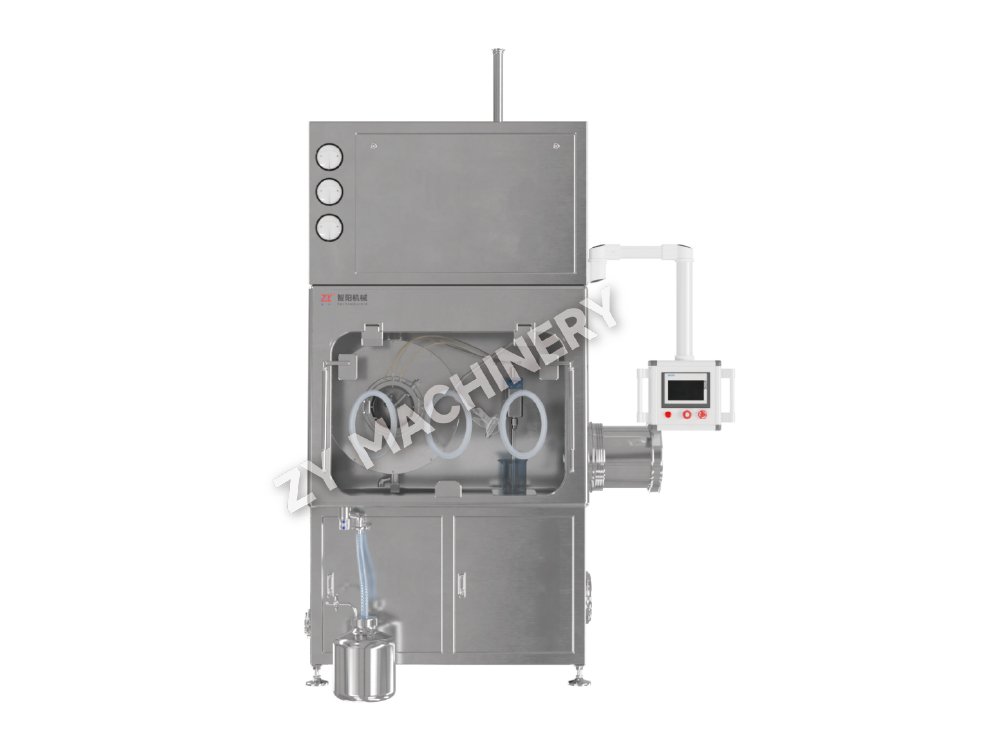
The GHL High-Speed Mixing and Granulation Machine is a highly efficient sys.....

Content
The true capability of high-speed mixing equipment is defined not by motor horsepower alone, but by the tip speed and shear rate generated at the mixing head. A high-speed disperser operating at a tip speed of 4,000–6,000 ft/min can reduce particle agglomerates in a pigment dispersion from 50 µm to under 10 µm in less than 15 minutes—a task that would take a conventional low-speed mixer hours to accomplish. This dramatic reduction in processing time, coupled with superior dispersion quality, is the primary reason these systems dominate industries from coatings to pharmaceuticals.
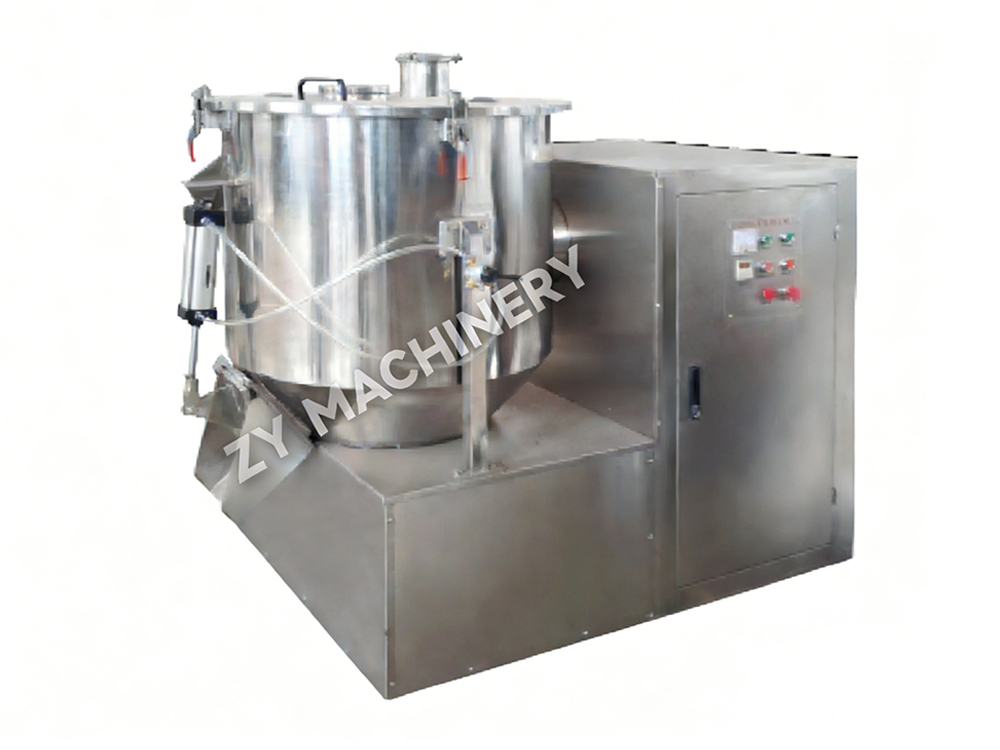
High-speed mixing equipment encompasses a family of machines designed to impart intense mechanical energy into a fluid or powder blend. Unlike gentle blending, these tools rely on high-velocity impellers, rotors, or blades to create strong shear, turbulence, and cavitation. The result is rapid wetting of powders, deagglomeration of particles, emulsification of immiscible liquids, and uniform suspension of solids. The direct conclusion is clear: selecting a high-speed mixer requires matching the required shear intensity and flow pattern to the specific processing goal, not simply choosing the fastest motor.
Tip speed—the linear velocity at the outer edge of the mixing blade—is the single most critical variable. For a saw‑tooth disperser blade, every 1,000 ft/min increase in tip speed roughly doubles the shear stress acting on agglomerates. Field trials in ink manufacturing show that raising tip speed from 3,200 ft/min to 5,000 ft/min decreases grind time on a three‑roll mill from three passes to a single pass, because the pre‑dispersion quality is already near‑target. The shear rate, measured in inverse seconds (s⁻¹), quantifies the velocity gradient within the fluid. A standard high‑speed disperser generates 10,000–50,000 s⁻¹, while a high‑shear rotor/stator mixer can exceed 100,000 s⁻¹. This jump enables droplet size reduction from 10 µm down to 0.5 µm in emulsions, which directly improves product stability and shelf life.
| Mixer Type | Tip Speed Range (ft/min) | Typical Shear Rate (s⁻¹) | Primary Function |
|---|---|---|---|
| Saw‑tooth Disperser | 3,500 – 5,500 | 10,000 – 50,000 | Pigment/agglomerate dispersion |
| Rotor/Stator (batch) | 3,000 – 10,000 | 40,000 – 120,000 | Emulsification, submicron deagglomeration |
| Inline High‑Shear Mixer | 4,500 – 11,000 | 60,000 – 200,000 | Continuous fine emulsion, wet milling |
| High‑Speed Agitator | 1,500 – 3,000 | 2,000 – 10,000 | Liquid blending, heat transfer |
While tip speed dictates shear, the power per unit volume (P/V) determines how uniformly that shear is delivered. Laboratory data shows that for a carbon black dispersion in water, achieving a Hegman gauge reading of 7+ requires a P/V of at least 0.3 hp/gal when using a saw‑tooth blade; below 0.15 hp/gal, undispersed agglomerates remain regardless of extended mixing time. High‑speed equipment achieves this by concentrating mechanical energy into a small high‑shear zone and then relying on bulk flow to recirculate the entire batch through that zone.
Flow pattern is equally important. A radial‑flow disperser pushes material outward to the vessel wall, creating strong top‑to‑bottom turnover. When the ratio of batch diameter to blade diameter is kept between 2.8:1 and 3.5:1, a single vortex forms that draws powder from the surface without excessive air entrainment. An axial‑flow high‑speed impeller, by contrast, is better suited for heat‑sensitive materials because it moves fluid vertically along the vessel axis with lower local shear, reducing temperature rise while still providing rapid homogeneity. In a fermentation broth application, switching from a radial to an axial high‑speed mixer reduced average temperature rise by 4°C at identical power input, preserving enzyme activity.
When a conventional disperser cannot deliver the required particle size reduction, a rotor/stator assembly becomes necessary. These devices force the product through a precise gap—typically 0.1 mm to 0.5 mm—between a high‑speed rotor and a stationary stator. At 3,600 rpm, a gap of 0.3 mm generates shear rates above 180,000 s⁻¹, capable of breaking oil droplets in a cosmetic cream to a D90 of 1 µm in a single pass. Multi‑stage rotor/stator designs, which stack two or three concentric rings with progressively finer slots, can achieve D50 values below 0.2 µm in silicone emulsions without the use of high‑pressure homogenizers.
The choice between batch and inline configuration depends on volume and viscosity. Inline units excel when processing volumes exceed 500 gallons because they ensure every fluid element experiences the same high‑shear history, eliminating dead zones. A concrete example: a continuous inline rotor/stator mixer processing 80 gal/min of a drilling fluid additive raised the yield point by 22% compared to a batch disperser of identical power rating, due to the elimination of bypassing in the tank.
A practical selection process starts with the final dispersion requirement, not the mixer. The following hierarchy of questions, drawn from field engineering experience, prevents oversizing and under‑performance.
Data from a pigment dispersion scale‑up illustrates the framework: a 50‑gallon lab disperser at 5,000 ft/min produced a 7.5 Hegman grind in 20 minutes. To replicate that quality in a 500‑gallon production vessel, engineers maintained the same tip speed and the same blade‑to‑tank diameter ratio of 0.33, while adjusting horsepower to keep P/V constant at 0.35 hp/gal. The first production batch met specification in 18 minutes, confirming that geometric similarity and constant power per volume are the most reliable scale‑up parameters.
It is a common misconception that running a high‑speed mixer at maximum RPM always yields the best result. In adhesive manufacturing, excessive tip speed can shear‑thin a polymer solution to the point where dispersive mixing ceases and the blend overheats. Operators can use a simple power‑time curve to identify the optimal endpoint: when power draw levels off for 2–3 minutes, the dispersion has reached its equilibrium particle size distribution, and additional mixing provides no further benefit. In one epoxy pre‑mix system, stopping at this plateau instead of running an extra 15 minutes saved 18% in electrical energy and eliminated the need for active cooling.
Blade geometry also directly influences efficiency. A dispersion blade with alternating radial and angled teeth creates macro‑cavitation pockets that violently collapse, delivering intense local shear without requiring higher motor speed. Trials comparing a standard saw‑tooth blade to a cavitation‑enhanced design at identical RPM showed a 30% reduction in mixing time to reach a Hegman gauge reading of 7 for a titanium dioxide dispersion. Additionally, mounting the blade off‑center in the tank—typically at a distance of 1/3 the tank radius from the wall—disrupts swirl and increases the frequency of high‑intensity collision between agglomerates and the blade tip.
The intense mechanical energy that makes high‑speed mixing effective also accelerates wear. Wear on a saw‑tooth blade of 1–2 mm on the tooth edge can reduce tip speed by up to 8% and require an RPM increase to compensate, which in turn raises power consumption. A preventive schedule that replaces dispersion blades after every 800–1,200 operating hours, or when tooth width decreases by 15%, maintains consistent batch‑to‑batch quality. Rotor/stator units require gap inspection every 300 hours for abrasive formulations; a gap increase from 0.3 mm to 0.5 mm can shift the emulsion droplet D50 from 0.8 µm to 1.5 µm.
Scale‑up from pilot to production consistently follows the rule of equal tip speed and equal number of passes through the high‑shear zone. For an inline rotor/stator, that means maintaining the same rotor diameter‑to‑slot width ratio and the same residence time, which often requires flow recirculation loops. Documented success in a cosmetic cream transfer showed that matching the tip speed at 8,000 ft/min and recirculating the batch six times through the inline unit on a 2,000‑liter scale replicated the droplet size distribution of a 50‑liter pilot batch within ±5% on D90. This process‑centered approach, grounded in measurable shear and flow parameters, is what transforms high‑speed mixing equipment from a brute‑force tool into a precision manufacturing asset.
Want to stay up to date?
Contact us via the email address below.
Don't worry about spam. We hate it too!
Mobile Client

Video Account
Phone:+86-15161130178
Tel:+86-519-88674267
Email:czzy188@163.com
Phone:+86-15161132798
Email:zy@zy-drying.com

WeChat ID

Copyright 2026 Changzhou Zhiyang Machinery Equipment Co., Ltd. All Rights Reserved  Oral Solid Dosage Equipment Manufacturer