English
 Español
 русский
 中文简体
中文简体

How to Judge Coating Uniformity Before Scaling Up
For potential buyers of film coating machines, uniform appearance is only the most visible result. More important indicators include weight gain consistency, surface smoothness, edge coverage, color distribution, drying stability, and the absence of sticking, peeling, mottling, or spray marks.
During laboratory or pilot trials, small changes in spray rate, inlet air condition, drum speed, or atomization pressure can produce noticeably different results. A useful trial should therefore record process parameters together with coating observations, rather than judging the finished tablets by appearance alone.
Practical observations during a trial batch
- Whether the material bed tumbles continuously without dead zones or excessive impact.
- Whether droplets dry after deposition instead of causing local overwetting and sticking.
- Whether the coating solution is delivered evenly throughout the spraying period.
- Whether finished products show consistent coverage after cooling and handling.
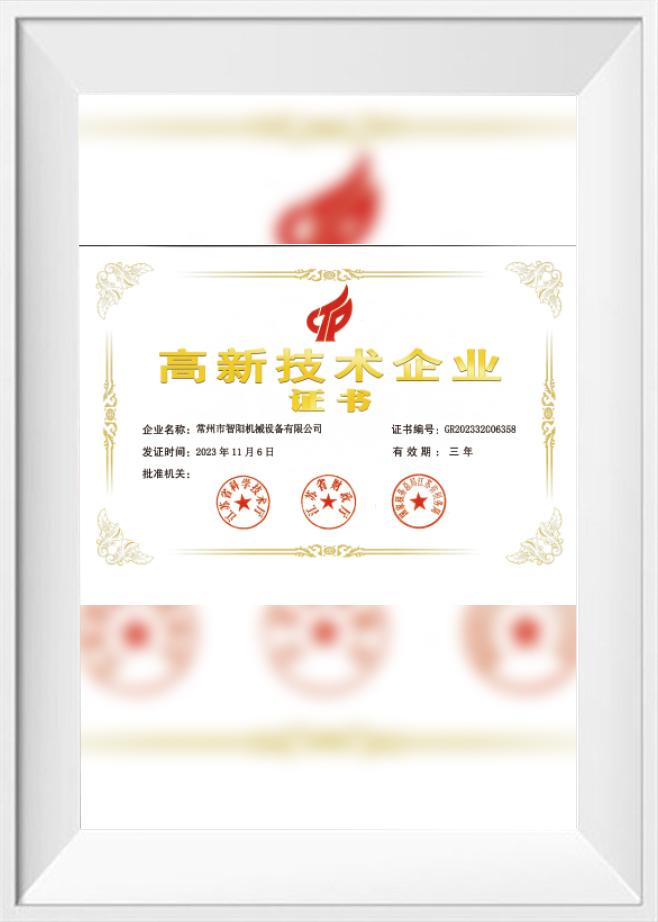
At ZY, we use material characteristics, target capacity, and process objectives as the starting point for equipment configuration, helping buyers move from trial results to a workable production route.
Balancing Tumbling, Spraying, and Drying in One Process
A coating process becomes stable when the movement of the material bed, the supply of coating liquid, and the removal of moisture remain matched. Increasing only one parameter rarely improves output by itself. For example, raising the spray rate without sufficient drying capacity may increase sticking risk, while excessive hot air may create rapid surface drying before the film levels properly.
| Process Variable | When Too Low | When Too High | Buyer Evaluation Point |
|---|---|---|---|
| Drum rotation | Poor turnover and uneven exposure | Excess collision or product damage | Stable, uniform tumbling bed |
| Spray delivery | Long processing time or incomplete coverage | Overwetting, adhesion, or surface defects | Controlled atomization and repeatable application |
| Drying air | Residual moisture and sticking | Rough coating or premature drying | Efficient moisture removal without damaging film formation |
The most reliable coating result comes from coordinated control of tumbling, spraying, and drying—not from maximizing any single parameter. We configure ZY film coating solutions around this process balance.
What to Confirm When Processing Different Material Forms
Film coating machines may be selected for tablets, granules, pellets, or other solid materials, but the same operating setup should not be assumed to suit every product. Shape, surface condition, density, friability, moisture sensitivity, and desired coating function all influence the recommended process route.
Useful questions before equipment selection
- Does the product require appearance coating, moisture protection, taste masking, or another functional objective?
- Is the material resistant to repeated tumbling, or does it need gentler mechanical handling?
- Does the formulation tolerate heat and airflow during drying?
- Will production require frequent product changes, cleaning verification, or multiple batch sizes?
- Is the target capacity based on nominal loading, validated batch performance, or future expansion plans?
For pharmaceutical, bio-pharmaceutical, nutraceutical, veterinary, additive, and related applications, these questions help prevent oversizing, undersizing, or selecting a machine that cannot reproduce the intended coating quality. ZY focuses on converting these process details into an equipment plan that is practical for actual operation.
From Trial Batches to Production Implementation
Laboratory and pilot work should do more than confirm that a coating can be applied. It should identify a stable parameter range, confirm formulation compatibility, establish cleaning and handling expectations, and provide evidence for future production-scale decisions.
Records worth keeping during process development
- Material name, batch size, shape, density, and any sensitivity to abrasion or moisture.
- Coating solution preparation method, solids content, viscosity condition, and consumption.
- Drum speed, spray time, atomization condition, inlet and exhaust air observations, and drying duration.
- Finished product findings, including appearance, adhesion, weight gain consistency, defects, and yield.
- Cleaning time, residue locations, accessibility observations, and requirements for subsequent batches.
Scale-up is more dependable when it is supported by recorded process behavior rather than equipment size alone. Since 2010, ZY has developed standalone machines, modular systems, and production-line solutions with this process-driven approach in mind.