English
 Español
 русский
 中文简体
中文简体




Industry Knowledge
How to Confirm Mixing Uniformity in Small-Batch Trials
A laboratory blend should not be judged by appearance alone. For formulations containing low-dose active ingredients, flavors, pigments, or additives, samples should be collected from different positions of the batch and, where possible, after discharge.
- Sample from upper, middle, and lower material zones.
- Check material collected near the discharge stage.
- Compare results from different mixing times or speeds.
Uniformity should remain acceptable after handling, not only inside the mixer. At ZY, we consider the mixing and discharge route together when developing laboratory solutions.
Working Volume Matters More Than Nominal Capacity
The stated capacity of laboratory mixing equipment does not always represent its most effective batch range. Too little material may not circulate properly, while overfilling can restrict turnover and extend the mixing cycle.
| Condition | Possible Result |
|---|---|
| Very low loading | Unstable circulation and poor repeatability |
| Suitable loading | More representative parameter evaluation |
| Excessive loading | Restricted movement and possible dead zones |
Buyers should confirm the recommended working volume range according to their intended batch size and material characteristics.
Choosing Between Dry Blending and Wet Mixing Trials
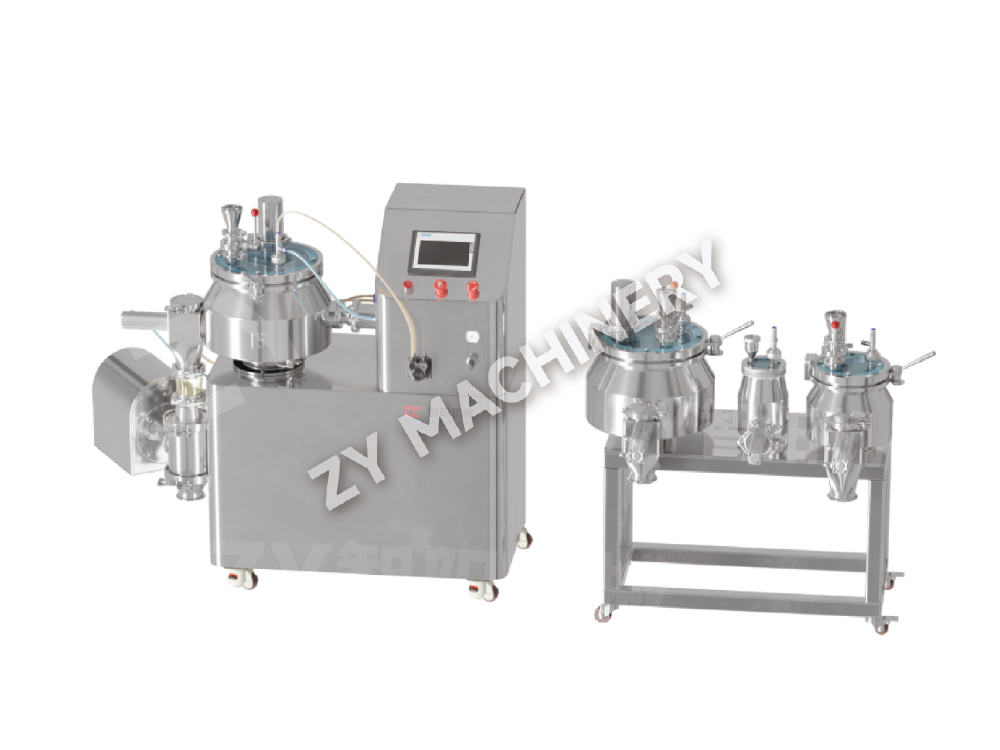
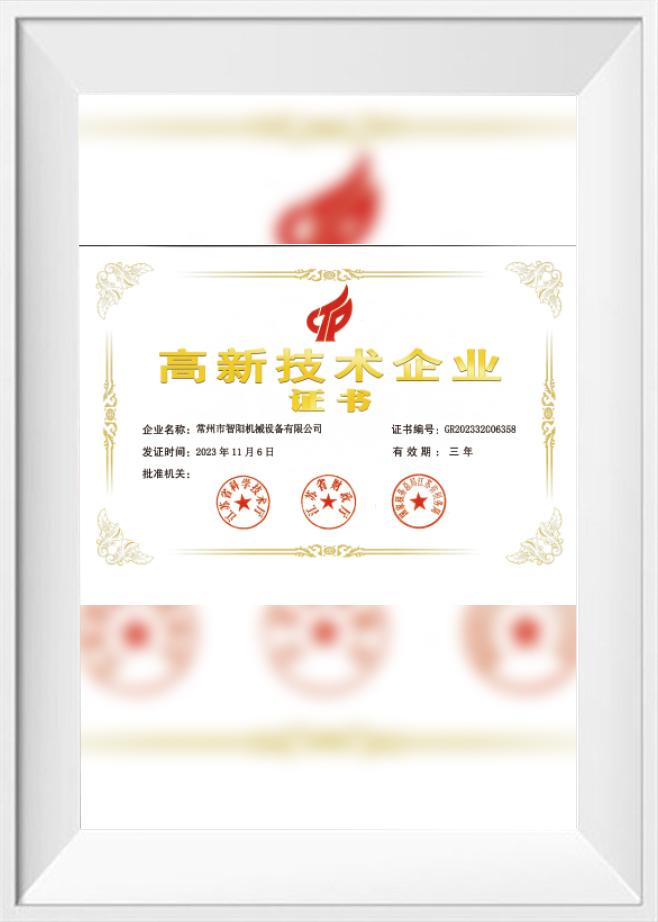
Bin-type laboratory mixers are commonly suited to dry powder or granule blending, especially when clean transfer and repeatable small-batch testing are priorities. Wet mixing laboratory machines are more suitable when liquid addition, moisture distribution, binder response, or wet mass consistency must be evaluated.
| Process Objective | More Suitable Trial Route |
|---|---|
| Powder premixing or formula comparison | Bin-type laboratory mixing |
| Liquid addition or binder evaluation | Wet mixing trial |
| Preparation for later process scale-up | Route selected by product behavior |
ZY develops equipment configurations around the material form, process target, and subsequent production requirements.
Laboratory Data That Supports Later Scale-Up
Laboratory testing becomes more valuable when trial records can be used for future pilot or production planning. Mixing time alone is not sufficient, because larger laboratory mixing equipment may involve different material movement, filling ratios, discharge arrangements, and transfer conditions.
Recommended trial records
- Material properties, flow behavior, density differences, and moisture sensitivity.
- Batch quantity, filling ratio, mixing time, rotational speed, and loading sequence.
- Uniformity results, discharge observations, segregation risk, and cleaning difficulty.
Traceable trial data helps convert formulation testing into a workable production route. We at ZY support customers from laboratory evaluation to process integration planning.