 English
 Español
 русский
 中文简体
中文简体
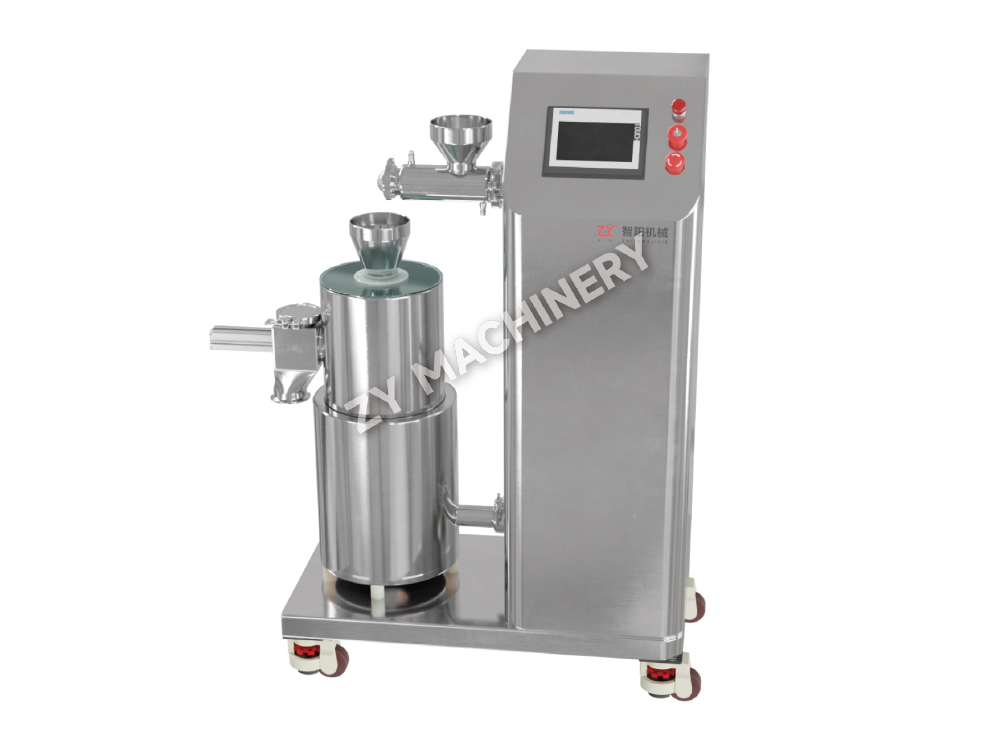
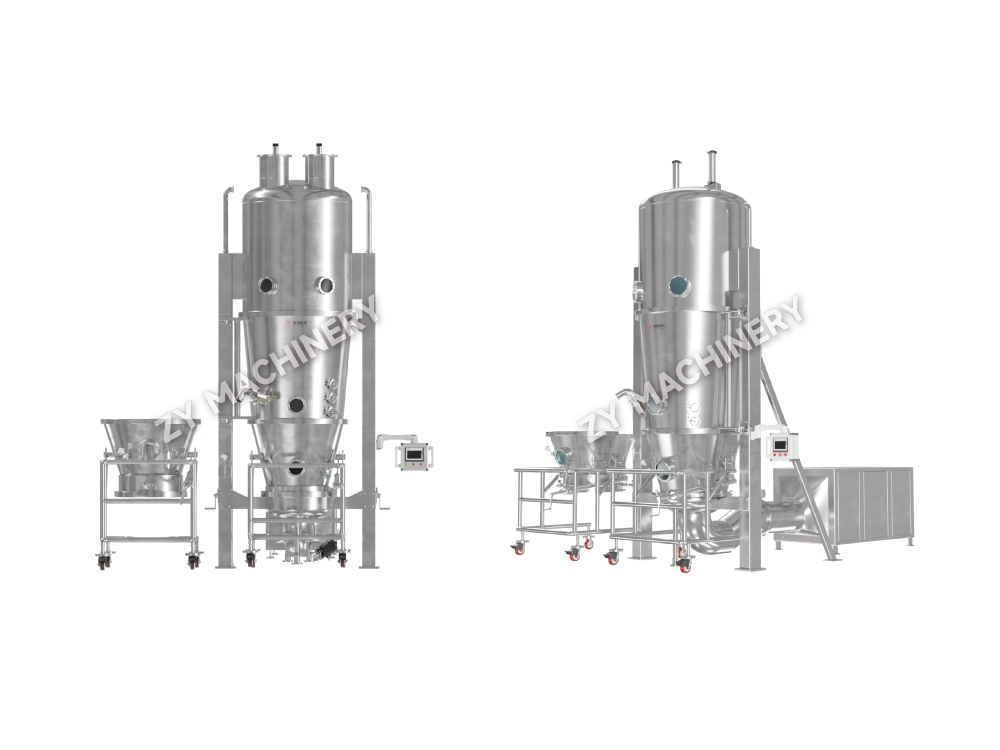
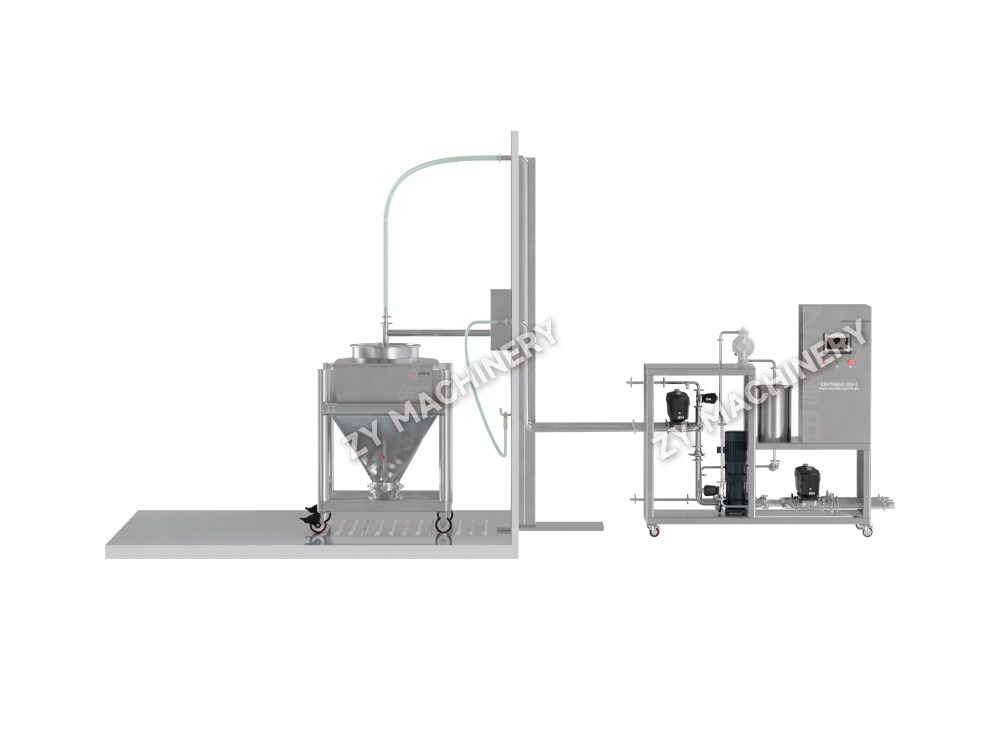
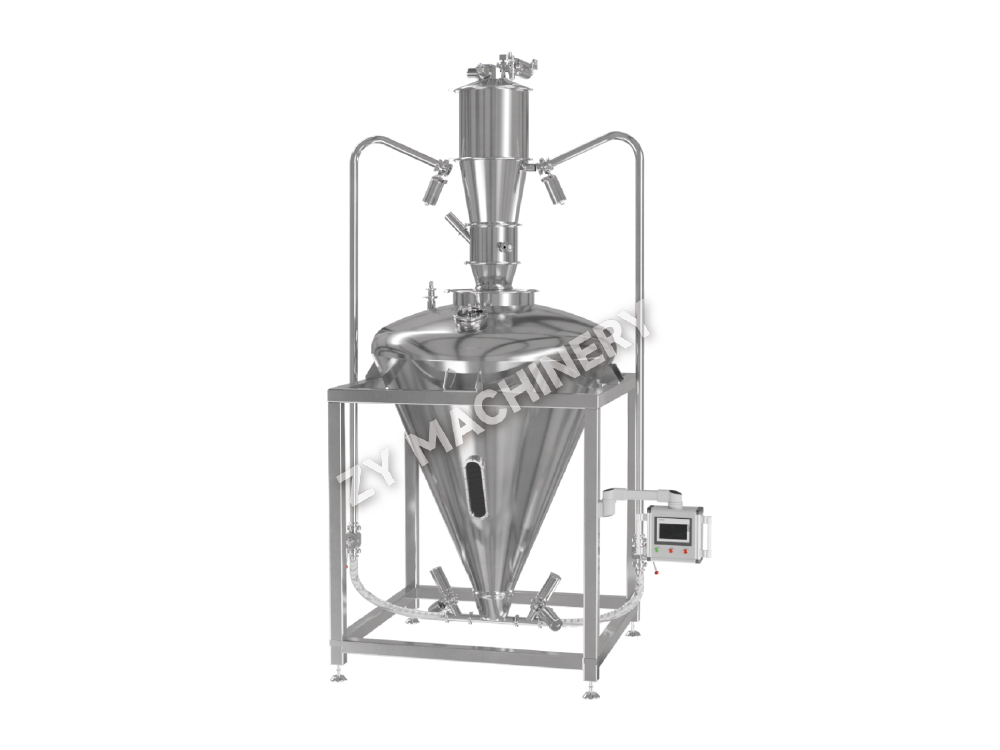
QD Automatic Bin Washing Machine
The QD Automatic Bin Washing Machine is designed for automated cleaning of .....

Content
In 2026, over 30% of drugs in development are classified as potent or highly potent. That number is climbing fast. A single gram of a cytotoxic compound or a concentrated hormone can pose real health risks to operators and cross-contamination threats to adjacent production lines. Pharmaceutical containment solutions exist to manage those risks—precisely and reliably.
At its core, containment in the pharmaceutical context means using engineered systems to prevent the uncontrolled escape of active pharmaceutical ingredients (APIs) into the workplace and to protect the product from environmental contamination. These systems create a defined barrier around the process, controlling airflow, pressure, and material transfers so that operators never come into direct contact with hazardous substances, and the drug never picks up unwanted particles from the surrounding air.
The scope of containment technologies is broad. It ranges from simple flexible isolators and rigid-wall glove boxes to advanced downflow booths and restricted-access barrier systems (RABS). The right choice depends on the active compound’s toxicity, the dosage form, and the scale of production. The common thread is a “containment by design” philosophy: every piece of equipment—from a lab-scale glove box to a full production isolator—must integrate smoothly with upstream and downstream processes while maintaining a certified level of operator exposure protection.
Common equipment types include:
The effectiveness of any solution is measured in nanogram or microgram per cubic meter air concentration data, backed up by surrogate monitoring and regular certification cycles. The ultimate goal is simple: a guaranteed working environment.
Compliance is not optional. Three regulatory pillars shape how pharmaceutical companies design, validate, and operate their containment systems. Understanding what each requires—and where they overlap—lets you build a containment strategy that passes audits without excessive overdesign.
EU GMP Annex 1 focuses on sterile medicinal products, but its principles now extend far beyond aseptic filling. The 2022 revision introduced explicit language about containment requirements for potent compounds, demanding that manufacturers use closed systems or isolator technology whenever the product could harm the operator or the environment. The guideline pushes for minimized human intervention, continuous monitoring of pressure differentials, and documented operator exposure limits.
USP <800> brings a North American lens. It applies to hazardous drugs handled in healthcare settings but has heavily influenced pharmaceutical manufacturing practices. It defines containment performance in terms of “no detectable contamination” on wipe samples and requires engineering controls like ventilated enclosures for compounding. In production settings, the equivalent requirement is to maintain workplace air concentrations below a defined occupational exposure limit (OEL) and to prove it with routine air sampling.
ISO 14644-7, while technically a standard for cleanrooms, provides the separation and containment vocabulary. It defines categories such as “open zone,” “closed zone,” and “separative device” and sets the framework for how containment equipment should be tested and classified. The standard requires leak testing at the filter and housing level, pressure decay tests for isolators, and recovery time measurements after a contamination event.
The table below distills the most critical parameters for OEB 4/5 containment across these three frameworks.
| Parameter | EU GMP Annex 1 | USP <800> | ISO 14644-7 |
|---|---|---|---|
| Target airborne concentration | <1 µg/m³ (8h TWA, compound-dependent) | Based on OEL; typically <0.1 µg/m³ for potent | Defined by cleanroom class and separator device |
| Pressure differential | ≥10 Pa negative to adjacent rooms | Negative pressure required for hazardous enclosures | Negative pressure for open-front containment |
| Air change rate (ACH) | Not prescribed; design depends on risk | Minimum 12 ACH for hazardous rooms | As required for target ISO class |
| Leak test requirement | Isolator gloves and sleeves: monthly | Sealed enclosure integrity at installation | Pressure decay: <0.5% vol/h loss |
| Surface monitoring | Wipe samples for potent compounds | No detectable contamination | Classification based on particle count |
Meeting all three standards often means opting for a sealed isolator with an integrated air handling unit, automatic pressure control, and a documented cleaning protocol—rather than a simple downflow booth. Companies that align their containment engineering with these regulations from the start avoid costly retrofits later.
No single technology fits every process. The decision usually comes down to a balance among operator safety, product protection, capital expenditure, and operational flexibility. Three broad categories dominate the market today: rigid-wall isolators, downflow containment booths, and single-use disposable systems. Each delivers a different performance envelope.
Isolators are the gold standard for the highest containment demands. A hardwall isolator is a fully sealed enclosure with glove ports, interlocked transfer ports, and dedicated HVAC. It can consistently maintain airborne concentration below 10 ng/m³, making it suitable for OEB 5 compounds and aseptic processing. The initial cost is significant—often 2–3 times that of a downflow booth—and the cleaning and decontamination cycles add several hours per batch. However, for products that simply cannot be handled any other way, the isolator is non-negotiable.
Downflow booths strike a different trade-off. They use a unidirectional air stream that sweeps particles away from the operator and into a filtration system, creating a safe working zone without a physical barrier in front. They are quicker to install, easier to clean, and ideal for OEB 3 and some OEB 4 applications such as sampling, dispensing, or tablet compression. The limitation is their reliance on operator discipline: a sudden arm movement can disrupt the airflow pattern and momentarily raise exposure risks. Modern booths address this with intelligent airflow monitoring that automatically adjusts fan speed to maintain a safe air curtain even when the operator’s presence changes.
Single-use containment systems represent a growing middle ground. Pre-assembled flexible isolators, transfer bags, and disposable glove bags arrive sterile and ready to use. They completely eliminate the need for cleaning validation between batches—a major time and cost factor when working with cytotoxic or cytostatic drugs. Annual operating costs are driven by consumables, not capital amortization. The catch is waste generation. Disposables create a steady stream of biohazardous solid waste, and the cost per unit can make them uneconomical for very high-volume production lines. Still, for clinical trial materials and contract manufacturing scenarios with frequent product changeovers, the single-use approach often delivers the lowest total turnaround time.
| Technology | Suitable OEB Level | CapEx Range | Cleaning Time (per batch) | Key Advantage |
|---|---|---|---|---|
| Hardwall Isolator | OEB 4–5 | High ($400k–$1.2M) | 6–12 h (VHP or CIP) | Maximum operator safety |
| Downflow Booth | OEB 3–4 | Moderate ($80k–$250k) | 1–3 h (manual wipe) | Low cost, high operator accessibility |
| Single-Use Isolator / Bag | OEB 3–5 | Very low ($10k–$50k per unit) | 0 h (dispose after use) | Zero cross-contamination risk |
A common mistake is to select a technology based solely on the compound’s OEL. The production scale, frequency of product changeover, and available floor space are equally important. A flexible packaging suite with 20 different APIs per month will find single-use systems attractive; a dedicated blockbuster line running one product for three years will justify a permanent isolator investment.
Purchase price tells only a fraction of the story. A proper financial comparison looks at the total cost across the asset’s entire lifecycle—typically 7 to 10 years—including installation, qualification, consumables, energy, labor, and compliance maintenance. When evaluated this way, the picture can flip completely.
Consider a mid-size facility running 100 production batches per year at OEB 4 containment levels. A hardwall isolator might cost $800,000 upfront. After adding installation, validation, and facility modifications, the CapEx climbs to $1.1 million. Annual costs include filter replacements ($15,000), vaporized hydrogen peroxide consumables ($25,000), energy for HVAC ($35,000 at $0.10/kWh), and two full-time-equivalent operators for cleaning and glove changes ($120,000/year). Over 5 years, the total approaches $2.3 million. If the asset runs for 10 years, the annual amortized cost drops substantially, making the isolator the most economical option for long campaigns.
A single-use approach for the same 100 batches takes a very different cost trajectory. The flexible isolator hardware costs only $45,000, but each batch requires a new disposable chamber set at $8,000. That alone adds $800,000 per year. Energy costs are lower ($10,000) because no cleaning validation HVAC cycles are needed, and operator labor drops to $60,000 with simpler changeover procedures. Over 5 years, the total reaches roughly $4.5 million—nearly double the isolator total. The single-use system spends more overall, but it requires almost no capital commitment up front, making it attractive when contract awards are still uncertain or when product approvals are pending.
The real tipping point is batch frequency and campaign duration. If a company produces fewer than 50 batches per year on a given line, single-use often wins. Above 100 batches per year, a permanent stainless-steel solution delivers superior lifetime economics. The table below shows the 5-year TCO for a 100-batch-per-year scenario.
| Cost Category | Hardwall Isolator | Downflow Booth | Single-Use System |
|---|---|---|---|
| Equipment & Installation | $1,100 | $200 | $45 |
| Annual Consumables | $40/year | $10/year | $800/year |
| Energy (5-year) | $175 | $60 | $50 |
| Labor (cleaning, operation) | $600 | $250 | $300 |
| 5-Year Total | $2,275 | $560 | $4,395 |
The downflow booth remains the most affordable option when the compound authenticity falls within its safe performance envelope. However, for OEB 5 the booth is not even a viable option, so the comparison narrows to isolators versus single-use, and the lifetime cost advantage of a fixed isolator grows steadily after the second year of operation.
Oral solid dosage forms—tablets and capsules—seem simple on the surface. But when the active ingredient is highly potent, the entire production chain turns into a series of containment challenges. Powder handling inherently generates dust, and every transfer step risks releasing particles into the room unless equipment is specifically designed to keep powders contained.
A modern OSD line for potent compounds must integrate containment at five key points. First is the material charging and dispensing step. Here, a dust-free feeding station with integrated HEPA filtration and a continuous liner system allows operators to introduce raw APIs into the process without ever opening a bag directly into the room. The powders go into a sealed transfer container that moves to the next unit operation under negative pressure.
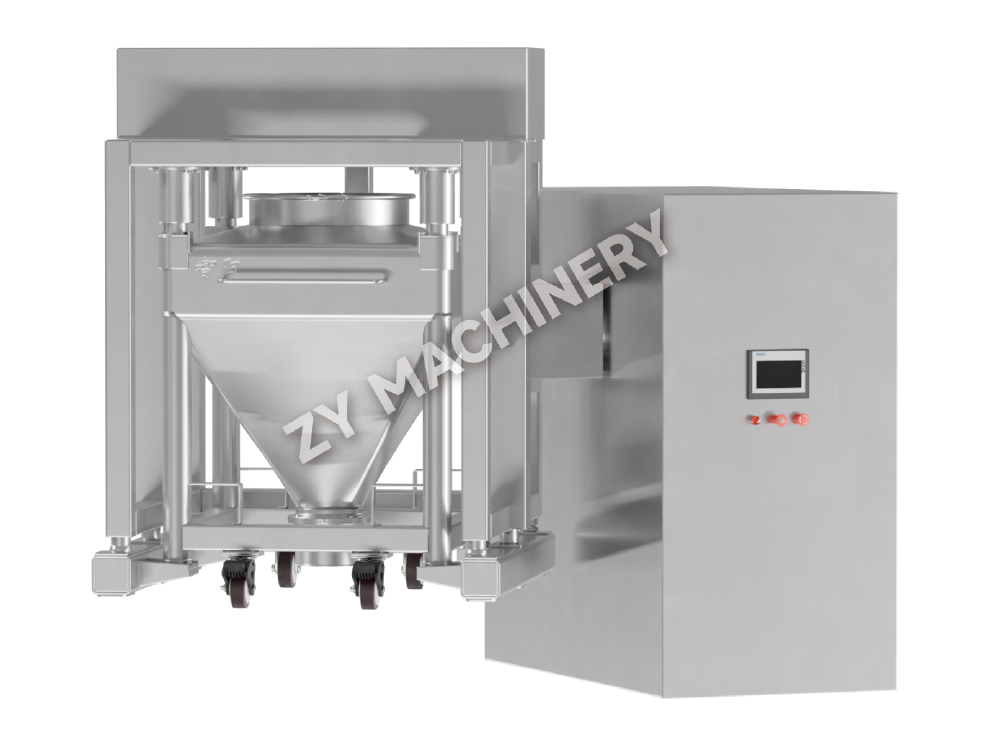
Next comes mixing. High-potency blending requires equipment with split-valve or alpha-beta port technology for charging and discharging. A pharmaceutical mixing system designed for potent powders may be a bin blender or a tumble mixer equipped with inflatable seals that prevent any powder escape even at rotating speeds of 15 rpm. The mixing vessel itself acts as the containment boundary, remaining closed throughout the entire cycle.
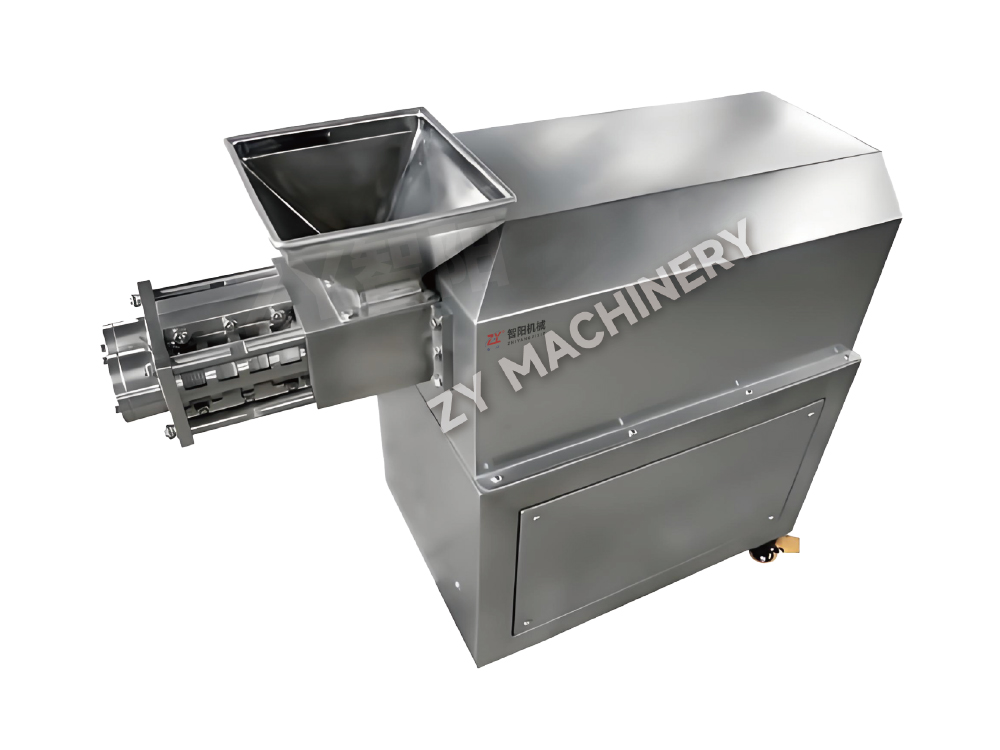
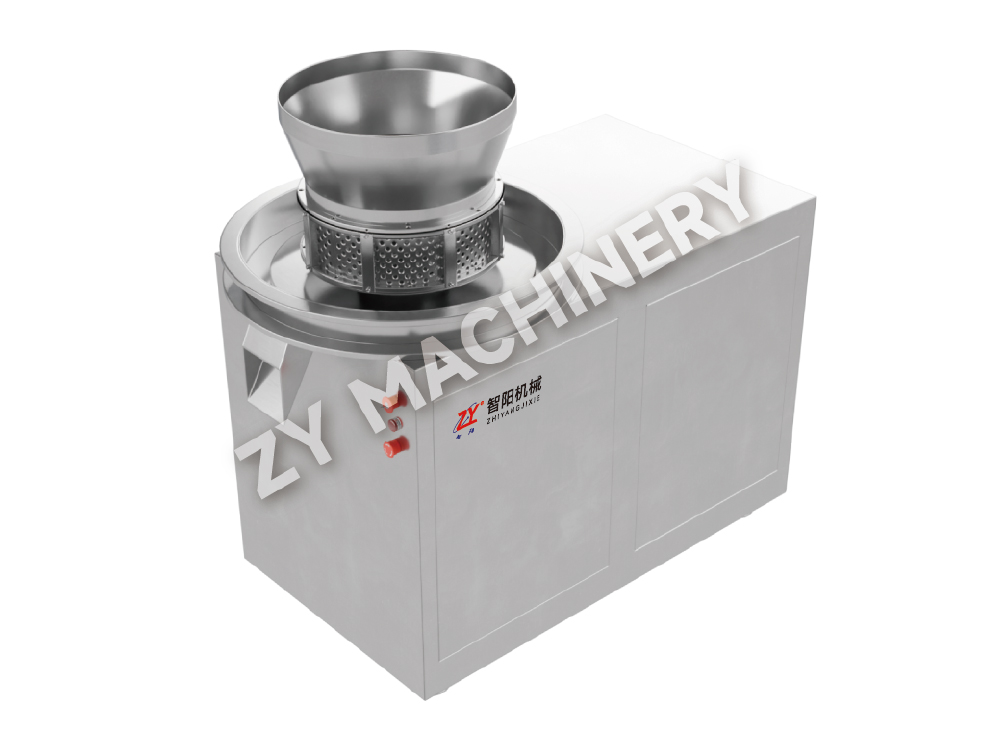
Granulation is the third integration point and often the most demanding. High-shear wet granulators must incorporate a containment lid with a glove port and a wash-in-place (WIP) system. The operator adds binder solution through a sterile connector while the bowl remains sealed. Once granules are formed, they transfer pneumatically to a dryer without breaking containment. For dry granulation, a roller compactor with integrated containment uses a continuous sealing mechanism to prevent ribbon and flake leakage, a common failure point in older designs.
Drying typically follows in a fluidized bed dryer or a vacuum dryer. Here, the containment requirement extends to the exhaust air system. Any air leaving the dryer must pass through a series of HEPA filters and sometimes a secondary carbon bed if solvent vapors are present. The product discharge must use a sealed butterfly valve and a flexible connection to the downstream mill. For sensitive products, vacuum drying in a pharmaceutical drying system with a bottom discharge port that connects directly to a containment isolator can reduce exposure events to near zero.
Finally, tablet compression or capsule filling presents a unique set of leaks: the tablet press turret, the feed frame, and the deduster all generate dust. A high-containment tablet press enclosure uses negative air pressure around the compression zone and an integrated washer that keeps tooling contamination contained during cleaning. For capsule filling, vacuum-based systems transfer the product from a sealed drum into the hopper, avoiding a manual scooping step entirely.
The following list summarizes the five essential containment integration points in OSD:
Each of these points must be validated individually, and then the entire train must be tested as an integrated system using a surrogate powder like lactose to prove that no detectable carryover occurs between batches. The investment is substantial, but so are the liabilities of a contamination incident.
Scale-up is where many containment projects run into trouble. A containment strategy that works perfectly for a 10 kg lab batch often fails when the same process is multiplied to 500 kg. The physics of powder containment change with volume: larger air displacement, greater surfaces for dust accumulation, and more complex cleaning sequences. Planning the transition in three deliberate stages avoids costly rework.
Lab scale (1–10 kg) typically uses a glove box or a small flexible isolator. At this stage, materials are handled manually, and batch changeover is a matter of wiping down the interior or replacing a disposable liner. Operator exposure monitoring is done with personal air samplers, and the containment target is usually below 1 µg/m³ over an 8-hour shift. The focus is on flexibility: many different compounds are run in the same unit, so rapid cleanability and no cross-contamination are paramount. Single-use glove bag systems excel here because they eliminate cleaning validation.
Moving to pilot scale (50–100 kg) introduces mechanical handling. The same compounds are now processed in a dedicated bin blender with a containment interface and a high-shear granulator with a 200-liter bowl. The containment boundary must now accommodate automated material transfers: pneumatic conveying under negative pressure, drum lifter stations with sealed cones, and split-valve connections. The air extraction rate on the downflow booth or isolator must increase proportionally to match the larger dust generation footprint. Validation shifts from personal monitoring to surface wipe sampling on the outside of equipment and on floor areas around the line. Recovery time testing after a simulated powder spill becomes critical to prove that the room can return to safe levels within 3 minutes.
At commercial scale (500 kg and above), the containment solution is no longer a single unit but an integrated process train. This is where permanent stainless-steel isolators become the standard enclosure. The entire granulation-to-drying sequence sits inside a sealed line with interlocked doors, and the operator only accesses the interior at scheduled maintenance intervals. Cleaning becomes a closed-cycle automated process using CIP (clean-in-place) spray balls and vaporized hydrogen peroxide decontamination. The containment system is now part of the building HVAC, with dedicated air handling units maintaining cascade pressure regimes and redundant HEPA filtration. The scale-up rule is straightforward: what was a piece of equipment at lab scale becomes a room within a room at commercial scale.
The following table captures the critical differences across scales.
| Scale Stage | Batch Size | Typical Enclosure | Cleaning Method | Validation Focus |
|---|---|---|---|---|
| Lab | 1–10 kg | Glove box or flexible isolator | Manual wipe or disposable liner | Personal air monitoring |
| Pilot | 50–100 kg | Walk-in hardwall isolator or downflow booth | Automated WIP with manual wipe follow-up | Surface wipe sampling, recovery time |
| Commercial | 500+ kg | Fully integrated sealed train | Fixed CIP and VHP decontamination | Housing leak test, airborne particle counts |
Starting with the end in mind—understanding the commercial target scale before designing the lab setup—prevents the common mistake of building a pilot line that cannot be scaled up without tearing down walls. Early involvement of a containment system provider with experience across all three scales pays for itself many times over.
The equipment is only as good as the supplier behind it. A containment project is a long-term partnership that extends from engineering design through installation, qualification, operator training, and continued compliance support for the next decade. Checking five specific criteria separates reliable partners from vendors who just sell boxes.
First, verify the compliance track record. Ask for at least three references where the supplier delivered a system for the same OEB level you are targeting, and ideally for the same dosage form. The question to ask directly: “Has the supplier successfully validated a containment system to less than 1 µg/m³ TWA in a production environment, and can they share the third-party industrial hygiene report?” A yes answer backed by documents weighs far more than a glossy brochure.
Second, evaluate customization capability. Off-the-shelf designs rarely fit perfectly into an existing facility. The provider should have in-house engineering teams capable of modifying dimensions, integrating with your specific material handling equipment, and adapting to your cleaning philosophy. Check whether they design their own control systems or outsource them. In-house control engineering typically means faster response to integration challenges during commissioning.
Third, scrutinize delivery lead times. The global supply chain has improved since 2024, but speciality filter housings and large stainless-steel fabrications still carry lead times of 20–26 weeks. A credible supplier provides a realistic schedule with milestone dates and a detailed explanation of any potential delays. Promises of a 12-week delivery for a fully customized isolator are seldom true and should raise a red flag.
Fourth, ensure a robust global service network. Containment systems need annual re-certification, glove leakage tests, and filter integrity checks. If the supplier does not have service engineers within a four-hour travel radius of your site, operational downtime will stretch from hours to days. Request a list of service locations and the average response time for the past twelve months.
Finally, confirm spare parts availability. Critical components such as HEPA filter packs, glove assemblies, and inflatable seals must be stocked in a regional warehouse. A delay of six weeks for a replacement glove ring on a commercial OEB 5 line can halt production entirely. The evaluation question: “For the top ten wear parts on this isolator model, what is the average on-shelf availability in my region?” A competent supplier answers with inventory data, not estimates.
Summary of evaluation criteria:
Investing time in the supplier selection phase prevents the far greater cost of fixing an underspecified system after the line is already built. Choose a partner, not just a vendor.
Choosing a pharmaceutical containment solution in 2026 is not about buying a piece of equipment—it is about designing a process envelope that will still be compliant, cost-effective, and operationally practical when the next molecule enters the pipeline. The industry keeps moving toward more potent APIs, monoclonal antibodies in oral formulations, and continuous manufacturing lines that must maintain containment without stopping. These trends all push the same direction: higher demands on the containment infrastructure.
A future-proof strategy starts by mapping every material contact point in the process and assigning a required exposure limit. Then, match the technology not just to today’s compound but to the broadest OEB category your pipeline expects. If there is any chance of handling an OEB 5 compound within the next five years, design for it now. Downflow booths are excellent for many applications, but they cannot be easily upgraded to isolator-grade performance without a near-total rebuild.
Cost decisions should look beyond the initial price tag. A 5-year TCO model that includes cleaning labor, energy, waste disposal, and compliance audits almost always reveals the true economic winner. For high-volume single-product lines, stainless-steel isolators deliver the lowest lifetime cost. For flexible, multi-product facilities with frequent changeovers, single-use systems or modular hardwall units with rapid decontamination cycles offer the agility that cGMP operations demand.
Finally, bring the containment system provider into the conversation during early process design. The best containment performance comes when the enclosure, the material handling equipment, and the facility layout are conceived as one integrated system—not when an isolator is dropped into a space that was not designed to handle its exhaust, utilities, or access requirements. Early collaboration leads to containment solutions that protect operators, preserve product integrity, and grow with the business.
Want to stay up to date?
Contact us via the email address below.
Don't worry about spam. We hate it too!
Mobile Client

Video Account
Phone:+86-15161130178
Tel:+86-519-88674267
Email:czzy188@163.com
Phone:+86-15161132798
Email:zy@zy-drying.com

WeChat ID

Copyright 2026 Changzhou Zhiyang Machinery Equipment Co., Ltd. All Rights Reserved  Oral Solid Dosage Equipment Manufacturer