 English
 Español
 русский
 中文简体
中文简体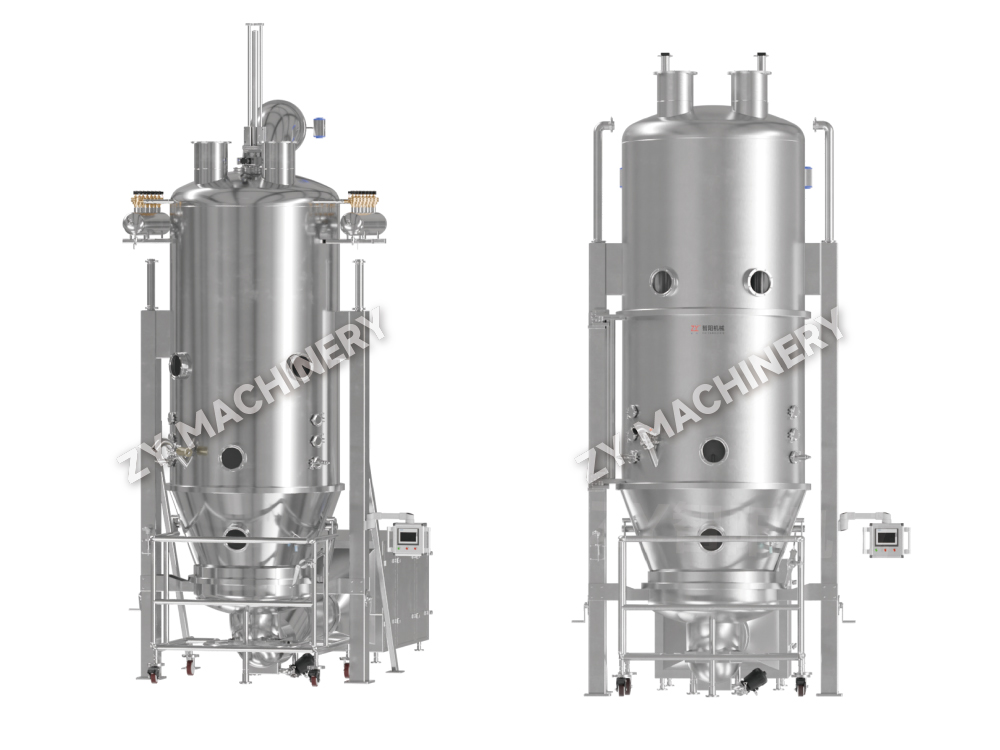
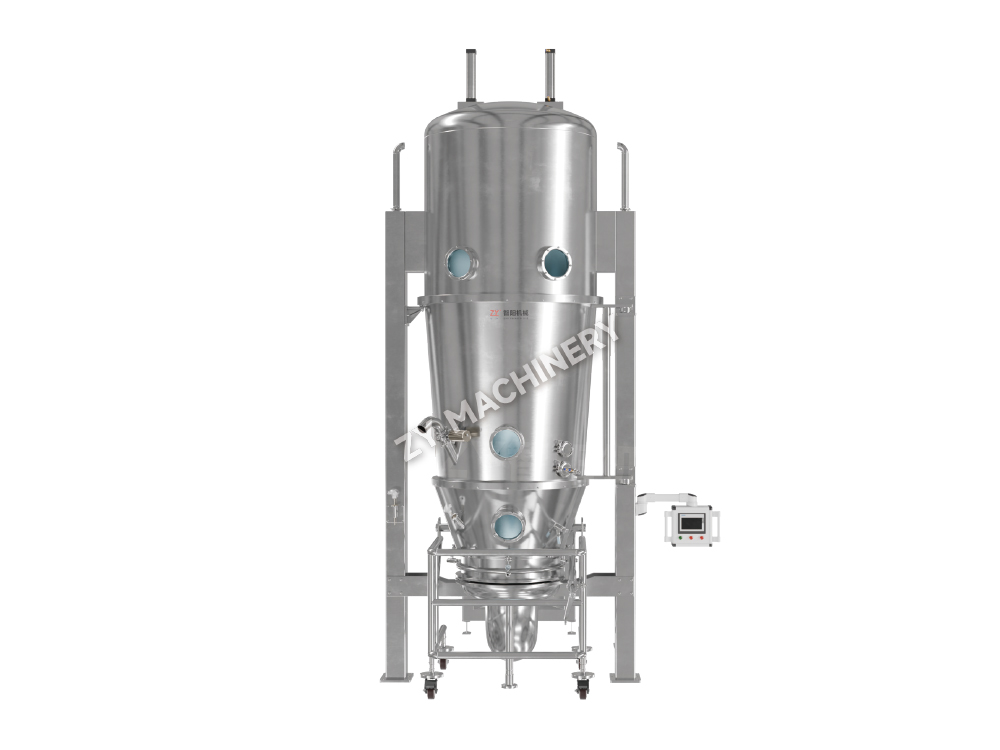
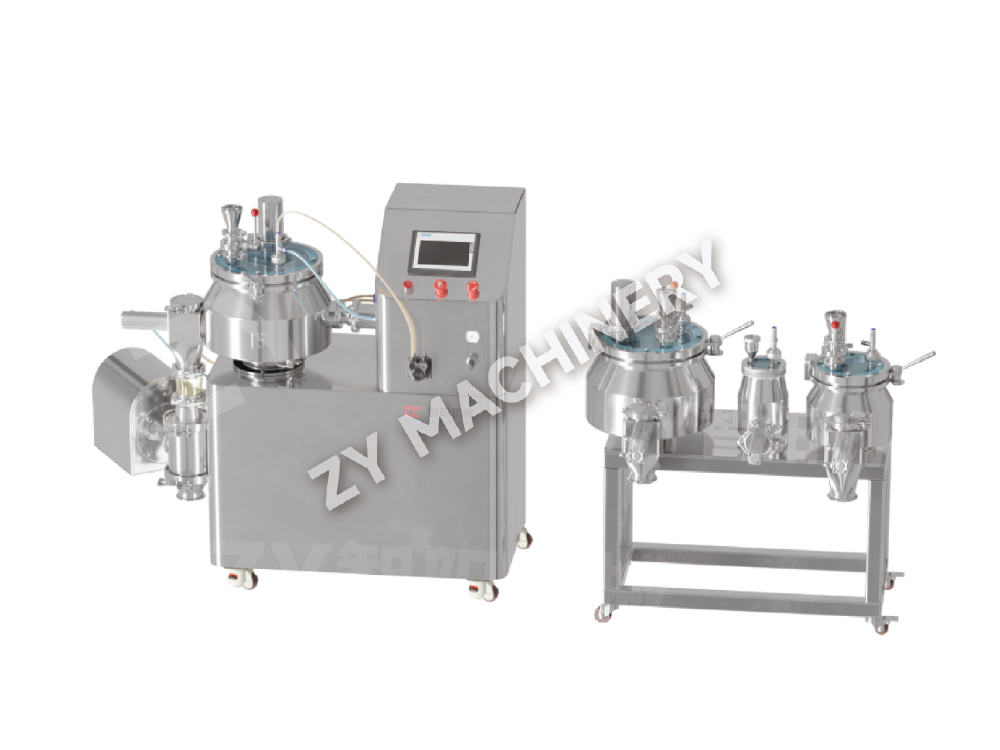
DLP R&D Multi-Functional Fluid-bed Granulation & Coating Lab Machine
The DLP R&D multi-functional fluidized bed machine integrates multiple .....

Content
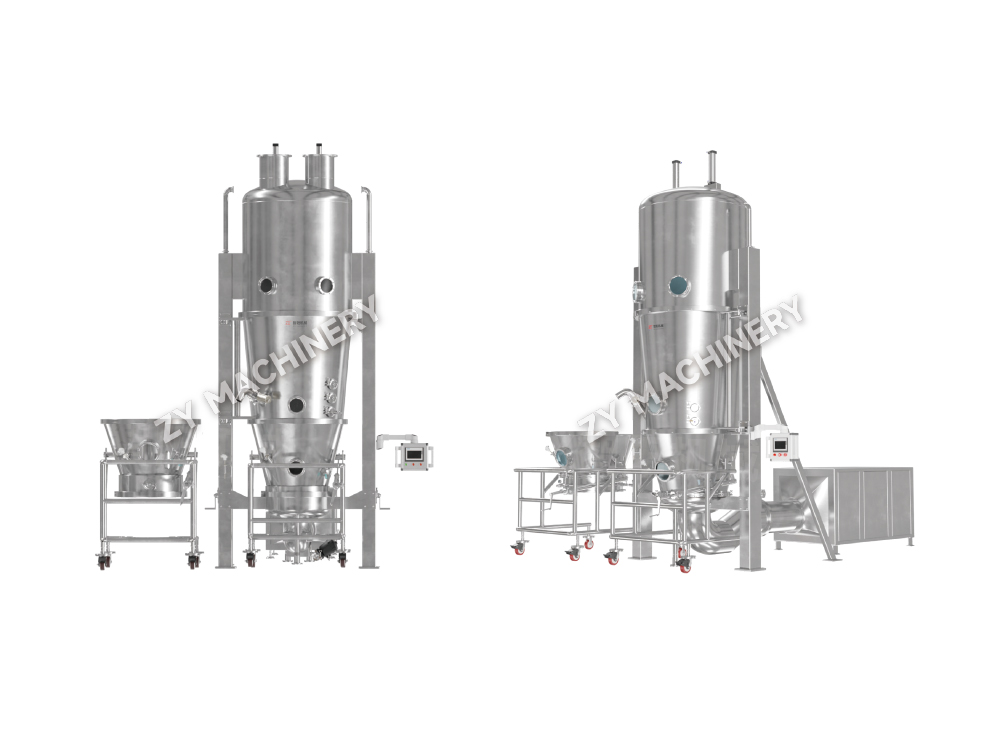
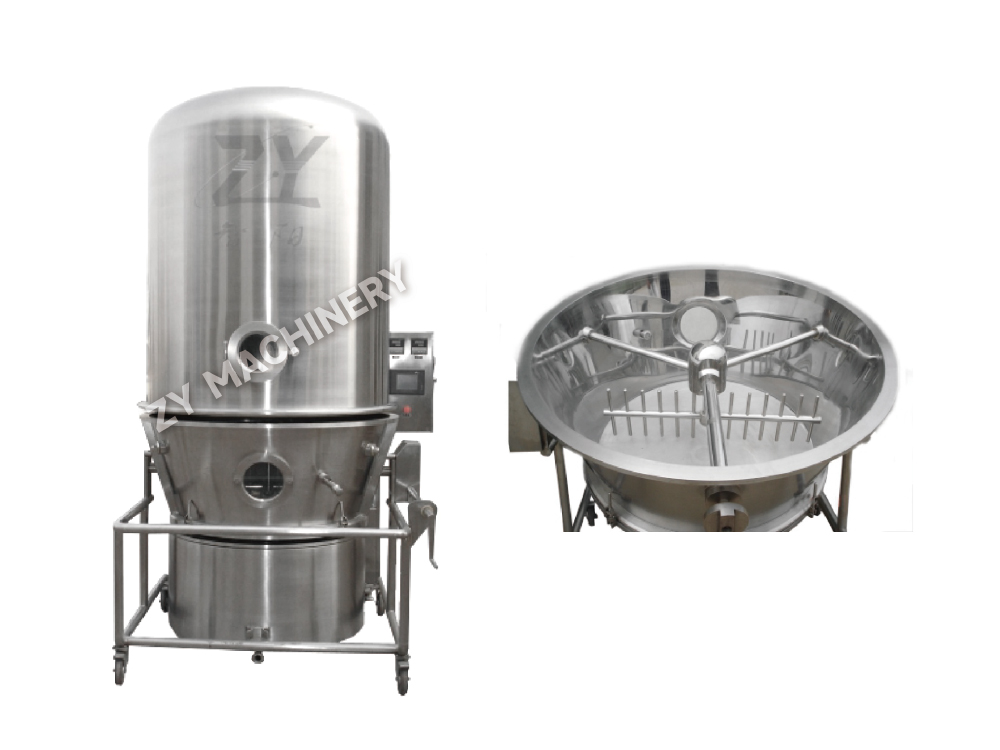
A single batch of powder can move from blending to dried granules in under 90 minutes — no separate mixing, wet massing, or tray drying steps required. That is the core promise of fluid bed granulation: a wet granulation method that integrates mixing, spraying, and drying inside one enclosed chamber.
The process converts fine, cohesive powders into free‑flowing granules by suspending them in a heated airstream and spraying a binder solution onto the fluidized particles. As particles collide and wet, liquid bridges form; evaporation of the solvent then leaves behind solid bridges that cement primary particles into agglomerates. The result is a granule with improved compressibility, reduced dust, and higher bulk density — all critical for consistent tablet compression and capsule filling.
Unlike high‑shear wet granulation, where a mechanical impeller drives agglomeration, fluid bed granulation relies on pneumatic agitation. This produces more porous, faster‑disintegrating granules and allows the entire operation to happen in one vessel. For heat‑sensitive actives, the co‑current evaporative cooling effect keeps product temperature well below the inlet air temperature, typically in a 25–45°C range.
Every batch passes through three distinct phases. Understanding what changes in each phase gives you the control points to dial in granule size, moisture, and density predictably.
Granule attributes don’t shift randomly — they follow the physical logic of moisture, heat, and momentum. The table below maps the independent process variables to their downstream effects.
| Parameter | Typical Range | Granule Size | Bulk Density | Moisture Content | Fines |
|---|---|---|---|---|---|
| Inlet air temperature | 40–80°C | Decrease | Decrease | Decrease | Increase |
| Spray rate | 10–50 g/min/kg | Increase | Increase | Increase | Decrease |
| Atomization pressure | 1.5–3.0 bar | Decrease | No significant change | No significant change | Increase |
| Fluidization air volume | 0.8–2.0 m/s | Decrease | Decrease | Decrease | Increase |
| Product temperature | 25–45°C | Decrease (if high) | Decrease | Decrease | Increase |
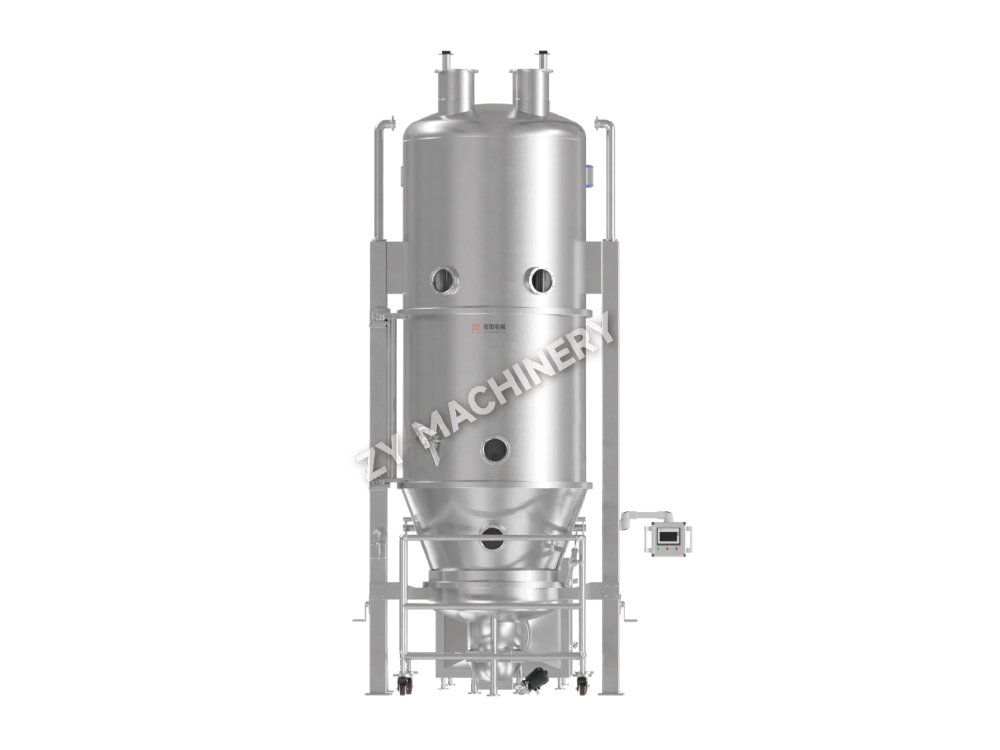
Inlet air humidity deserves special mention. A dew point above 10°C can sabotage drying efficiency by reducing the driving force for evaporation. For moisture‑sensitive formulations, maintaining inlet air dew point below 5°C is not optional — it is a prerequisite for batch‑to‑batch reproducibility. Modern FLB fluid bed granulators with integrated air handling units give you precise control over temperature, humidity, and airflow, making these critical interdependencies manageable at production scale.
Spray configuration is not a peripheral design choice — it defines the granule growth mechanism and the range of applications a machine can serve. The three configurations differ in nozzle position, particle trajectory, and liquid‑solid contact pattern.
| Feature | Top Spray | Bottom Spray (Wurster) | Tangential Spray (Rotor) |
|---|---|---|---|
| Nozzle position | Above the bed | Inside the bed, upward | Side, into a rotating disc |
| Particle movement | Random fluidization | Ordered up‑flux through a partition tube | Centrifugal + fluidization |
| Growth mechanism | Random agglomeration | Layered film deposition | Spheronization and densification |
| Best for | Conventional granulation | Coating and layered granulation | High‑density pellets |
| Granule density | Low to medium | Medium to high | High |
Top‑spray is the workhorse for standard solid dosage forms — fast, simple, and forgiving. Bottom‑spray Wurster systems dominate when you need to apply a uniform functional coating or build up layered particles from a seed core. Tangential‑spray, or rotor, processors generate the densest, most spherical pellets, often used for multiparticulate drug delivery systems. If your application demands coating rather than simple agglomeration, a dedicated LDPB fluid bed coater with a Wurster insert gives you tighter film thickness distribution than a hybrid top‑spray machine running coating trials.
Even a well‑designed formulation can misbehave if a single parameter drifts outside its process envelope. Here are the four most common failure modes and the adjustments that correct them.
Scale‑up is not a linear multiplication of air volume and spray rate. Keeping the same spray rate per kilogram of powder in a 100‑kg batch that worked in a 5‑kg lab run will often flood the larger bed because heat and mass transfer do not scale directly with powder mass. The rule of thumb is to maintain constant droplet size, constant relative humidity of the outlet air, and constant product temperature.
The table below shows typical parameter ranges across scales when scaling a standard starch‑based formulation. Notice that fluidization velocity increases slightly to compensate for deeper bed heights, while spray rate per kilogram falls back to avoid overwetting.
| Parameter | Lab (3 kg) | Pilot (30 kg) | Production (150 kg) |
|---|---|---|---|
| Inlet air temperature (°C) | 60 | 65 | 65 |
| Spray rate (g/min) | 60 | 350 | 1200 |
| Atomization pressure (bar) | 1.8 | 2.2 | 2.5 |
| Air velocity (m/s) | 0.9 | 1.2 | 1.5 |
| Product temperature (°C) | 32 | 34 | 34 |
Running these trials first on a DLP R&D multipurpose granulator lets you map the design space with minimal material before committing expensive API to pilot batches. The ability to switch between top‑spray granulation and Wurster coating on the same lab machine also compresses the formulation development timeline.
Choosing between fluid bed and high shear granulation is not about which technology is “better” — it is about which granule profile your tablet press and dissolution target demand. The table below frames the trade‑offs across seven criteria that matter in production.
| Criterion | Fluid Bed Granulation | High Shear Granulation |
|---|---|---|
| Granule structure | Porous, low density | Dense, high strength |
| Disintegration time | Faster | Slower |
| Process time per batch | 60–90 min | 20–40 min (plus separate drying) |
| Footprint | Single unit; larger height | Mixer + wet mill + fluid bed dryer; wider footprint |
| Cleaning effort | Simpler, one vessel | Multiple vessels, often with wet mass handling |
| Sensitivity to overgranulation | Low | High; requires precise endpoint control |
| Best for heat‑sensitive APIs | Yes, evaporative cooling | Risk of hot spots in dense mass |
If your target tablet needs rapid disintegration and you are working with a formulation that flows poorly, fluid bed granulation is the direct route. When you require hard, strong granules for high‑speed tableting of a tough, plastically deforming drug, high shear often wins — but you will need a separate drying step. Facilities that run both technologies frequently use a high shear granulator for the wet massing step and then transfer the material to a fluid bed dryer, combining the dense granule structure of high shear with the gentle drying of a fluidized bed.
Fluid bed granulation remains the most direct path from powder blend to compressible granulate when porosity and fast dissolution are priorities. The process eliminates multiple handling steps and gives engineers precise control over granule attributes through a handful of adjustable parameters.
To lock in robust, transferable batches, follow these practices:
Want to stay up to date?
Contact us via the email address below.
Don't worry about spam. We hate it too!
Mobile Client

Video Account
Phone:+86-15161130178
Tel:+86-519-88674267
Email:czzy188@163.com
Phone:+86-15161132798
Email:zy@zy-drying.com

WeChat ID

Copyright 2026 Changzhou Zhiyang Machinery Equipment Co., Ltd. All Rights Reserved  Oral Solid Dosage Equipment Manufacturer