 English
 Español
 русский
 中文简体
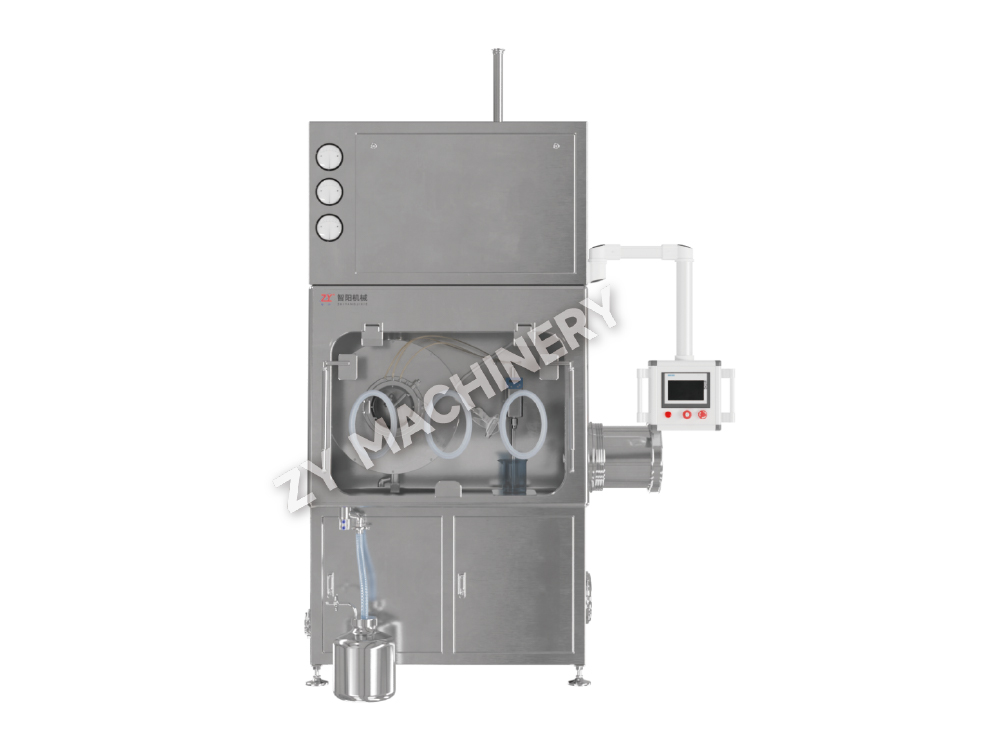
GFH R&D High-Containment Solid Dosage Production Line
The GFH R&D High-Containment Solid Dosage Production Line is designed f.....

Content
High potency API manufacturing is rarely about buying one special machine. It is a sequence of small engineering decisions: how a drum is charged, how a wet mass is transferred, how a filter is changed, how a bin is washed. Each of those decisions either reduces or multiplies the risk of operator exposure. After more than a decade building powder handling and oral solid dosage equipment for pharmaceutical, biopharmaceutical, biotechnology, nutraceutical and veterinary customers, we see the same pattern every time: containment designed into the process flow from the first layout sketch holds up, while containment added after the first industrial hygiene survey does not.
Highly potent active pharmaceutical ingredients do not share a single global definition. Classification systems differ between regions and even between companies, which is one of the practical difficulties of the field. In day-to-day engineering use, a compound is treated as highly potent when one or more of the following applies:
For equipment selection, the exact label matters less than the number behind it. An OEL of 10 micrograms per cubic meter and an OEL of 0.1 micrograms per cubic meter lead to very different enclosure, transfer and cleaning solutions, and sometimes to different buildings.
Administrative controls and personal protective equipment have their place, but in a potent facility they are the last line of defence rather than the first. Potent actives are usually fine, free-flowing and highly dispersible, so every open transfer, manual charge, filter change or discharge releases airborne particles that are hard to remove once they are in the room.
Three product characteristics shape equipment design more than anything else:
Most highly potent APIs that reach the market as tablets, granules or capsules pass through the same family of unit operations. The table below shows where containment risk concentrates in a typical solid dosage line.
| Process step | Typical equipment | Main containment concern |
|---|---|---|
| Dispensing and feeding | Weighing and feeding station, dust-free feeding station | Dust release where material enters the process |
| Blending | Bin blenders, high-shear mixers | Powder escape during charging and discharge |
| Wet and dry granulation | High-shear granulator, roller compactor | Contained transfer of wet or dry mass; solvent handling |
| Drying | Fluid bed dryer, vacuum dryer, hot air oven | Exhaust filtration and recovery of active material |
| Milling and sizing | Cone mill, oscillating granulator, vibrating sieve | Aerosol generation around high-speed rotors and screens |
| Coating | Film coating machine, fluid bed coater | Spray containment and operator access during cleaning |
| Transfer and cleaning | Vacuum conveying, bin washing, mobile CIP station | Integrity of closed transfer and verified residue removal |
The pattern is consistent: risk clusters at interfaces, meaning the points where powder enters or leaves a closed system, and around any operation that creates turbulence or requires operator access.
Containment is a layered concept, and four layers do most of the work in a potent solid dosage facility.
Wherever the process allows, powder should travel inside a sealed pathway: vacuum conveying lines, sealed bins, docking stations and split butterfly valves. Removing two or three open transfers usually does more for an exposure assessment than upgrading the room classification.
Downflow booths, glove boxes, isolators and local exhaust ventilation capture dust at the source. The enclosure should follow the OEL band and the size of the equipment, not the other way around.
Fluid bed dryers, coaters and pneumatic conveying systems move large volumes of air. Safe-change HEPA filters, bag-in and bag-out housings, and documented filter integrity testing are baseline expectations rather than options.
Residue left inside a system is a future exposure event. Equipment that can be cleaned in place, washed automatically or dismantled with minimal operator contact reduces both exposure risk and validation workload.
Fluid bed processing is often the most demanding part of a potent solid dosage line. Drying, granulation and coating all depend on high airflow through a bed of fine particles, and the exhaust stream carries both solvent vapour and active material. Design details that matter include:
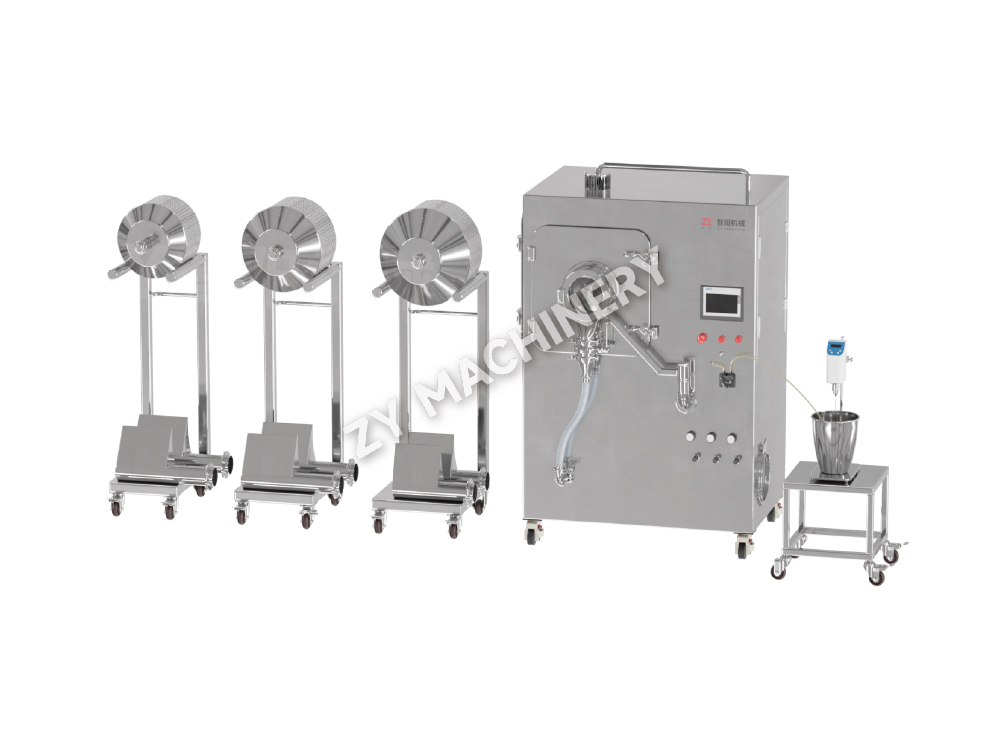
For the highest potency bands, a dedicated high containment coating machine keeps the product fully enclosed from charging through spraying to discharge, protecting the operator and the product at the same time.
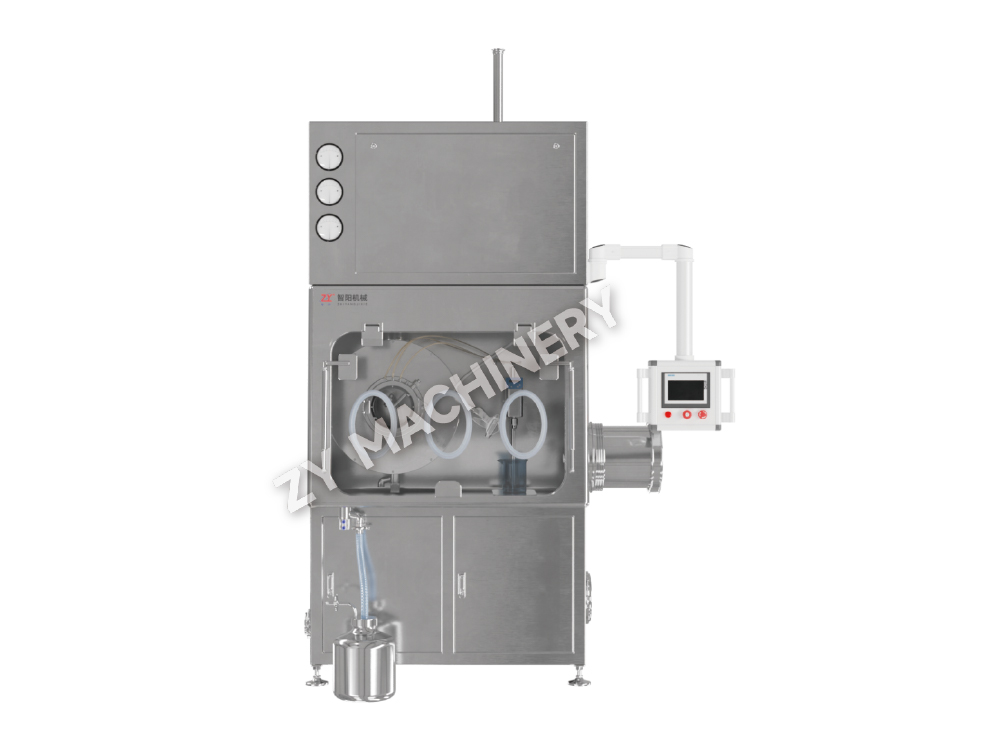 BGB HR&D High-Containment, High-Efficiency Coating MachineThe BGB HR D High-Containment Coating Machine is engineered for applying coatings to highly potent tablets in the pharmaceutical industry. It is suitable for products ...View Product →
Cleaning validation is where many potent projects lose time. Acceptance limits come from a maximum allowable carryover calculation that starts with the smallest therapeutic dose and the largest shared surface area, and potencies in the microgram range drive those limits down sharply. A practical response usually includes:
A mobile cleaning station that is brought to the equipment, instead of forcing equipment to be dismantled and moved to a washroom, shortens changeover and reduces operator contact with contaminated surfaces.
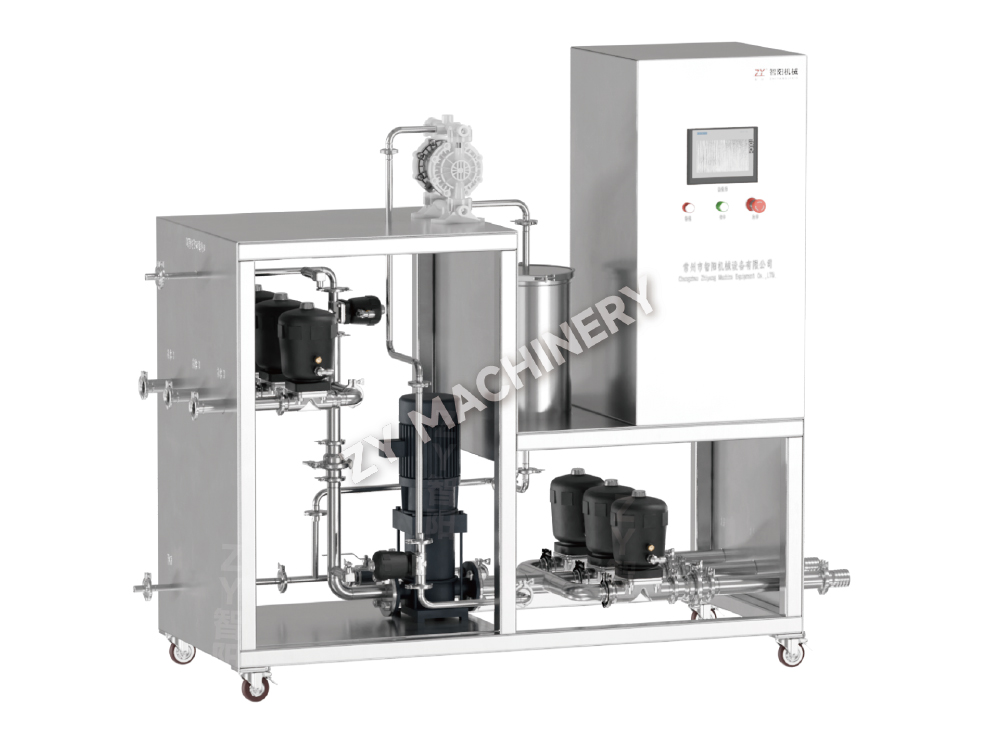 QWQY Mobile CIP Cleaning StationThe QWQY Mobile CIP Cleaning Station is used in solid dosage manufacturing processes within the pharmaceutical industry. It is designed to work in conjunction with equ...View Product →
Scale-up for potent products is not only about geometric similarity. When batches are small and containment systems are complex, the laboratory and the production suite should share the same unit operation sequence, the same transfer logic and ideally the same equipment family, so that parameters measured at five litres still mean something at two hundred. The variables that transfer least reliably are:
Running development work on laboratory equipment that mirrors production geometry turns the eventual technical transfer into a documentation exercise rather than a second development project. If you want to go deeper on the engineering side, we have published a detailed guide to HPAPI containment and scale-up that walks through the same decisions in more depth.
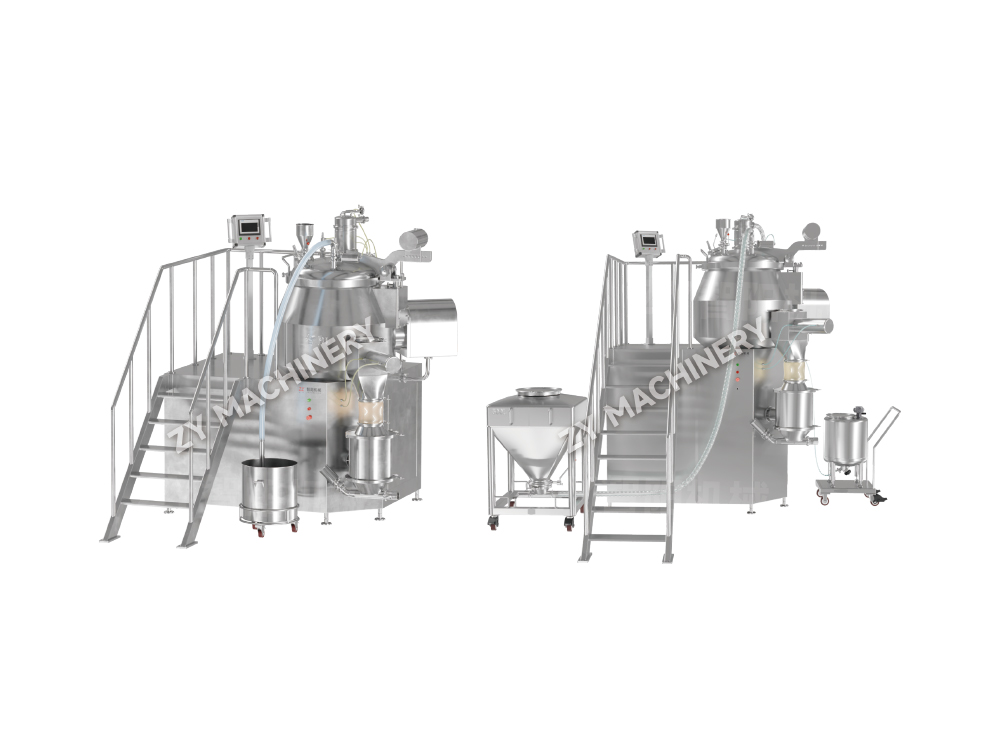
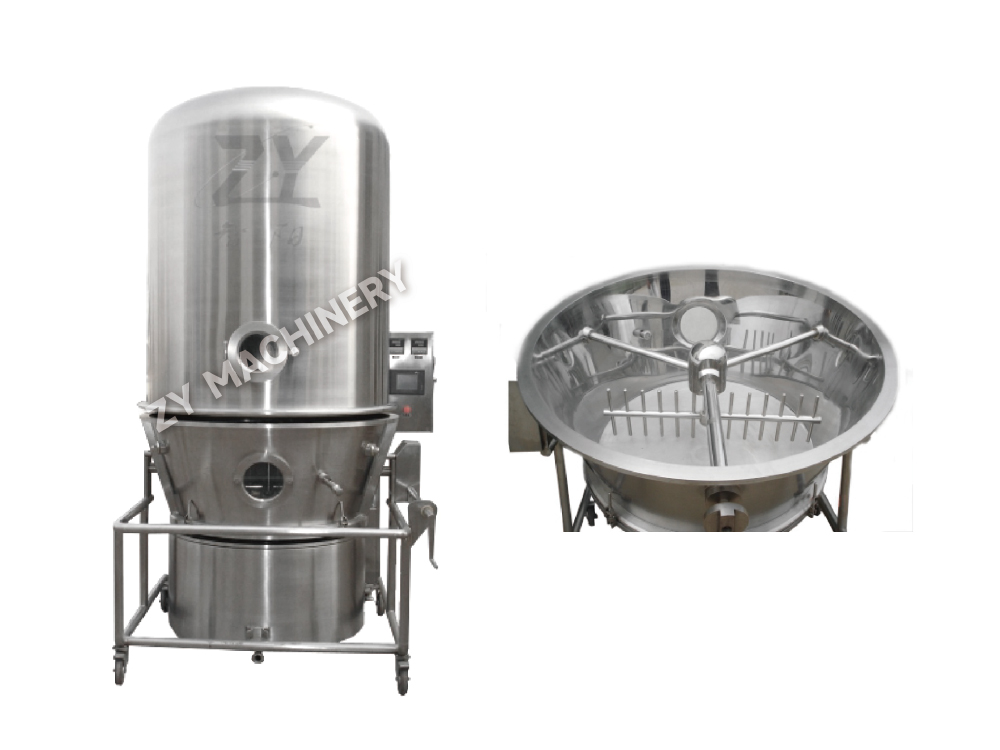
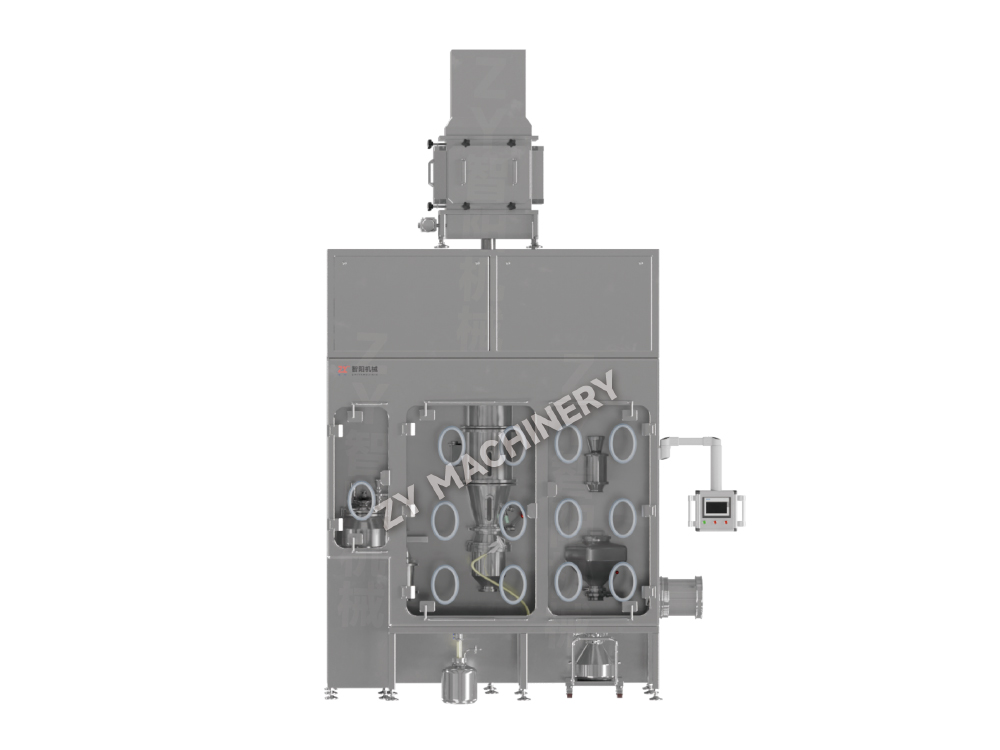 GFH R&D High-Containment Solid Dosage Production LineThe GFH R D High-Containment Solid Dosage Production Line is designed for the safe production of highly potent or hazardous solid dosage forms, such as tablets, capsul...View Product →
Our approach to potent products starts from the process rather than the catalogue. We begin with material characteristics, the target OEL band, batch size and the constraints of the room, then configure mixing, granulation, drying, coating, transfer and cleaning equipment as one connected line instead of a list of machines. That covers single units for laboratory and pilot work, modular systems and complete production lines, using the same process logic across every scale.
If you are planning a potent solid dosage project and want to review where the containment interfaces will fall, our engineering team is glad to look at the process flow with you. You can see how we work as a process-driven equipment partner and what the equipment range looks like in practice.
Want to stay up to date?
Contact us via the email address below.
Don't worry about spam. We hate it too!
Mobile Client

Video Account
Phone:+86-15161130178
Tel:+86-519-88674267
Email:czzy188@163.com
Phone:+86-15161132798
Email:zy@zy-drying.com

WeChat ID

Copyright 2026 Changzhou Zhiyang Machinery Equipment Co., Ltd. All Rights Reserved  Oral Solid Dosage Equipment Manufacturer