 English
 Español
 русский
 中文简体
中文简体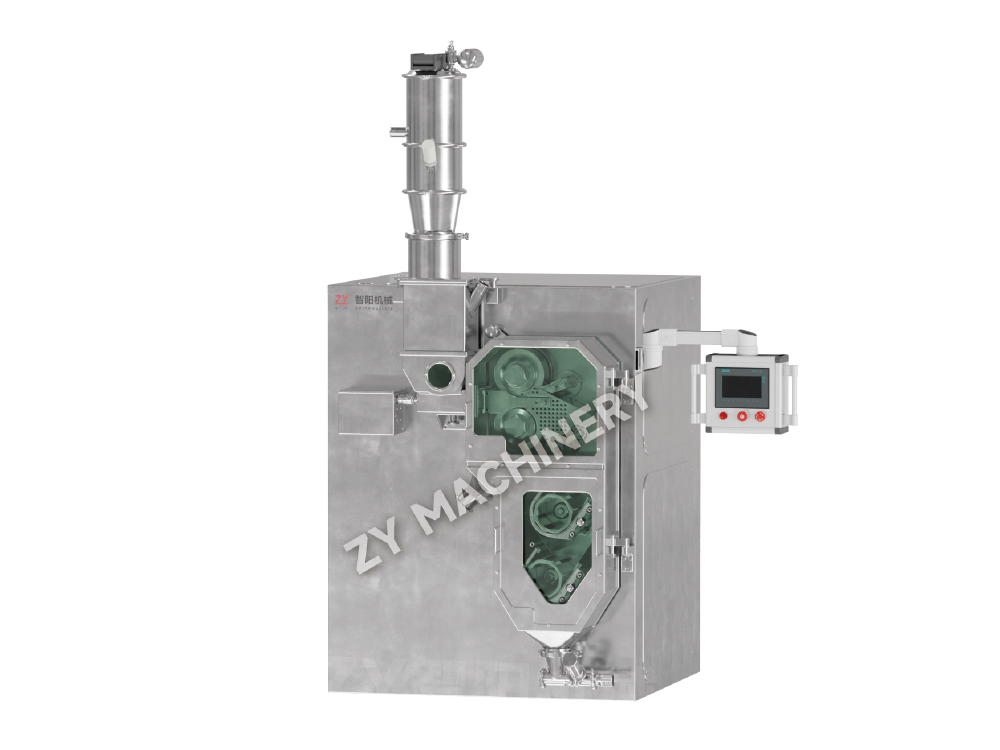
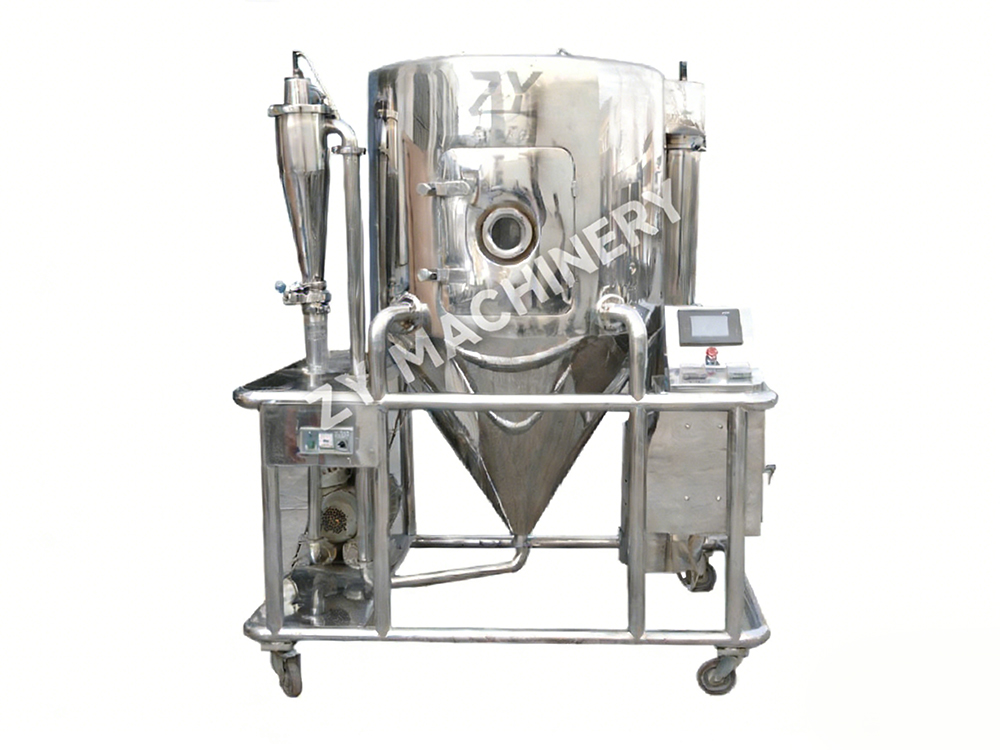
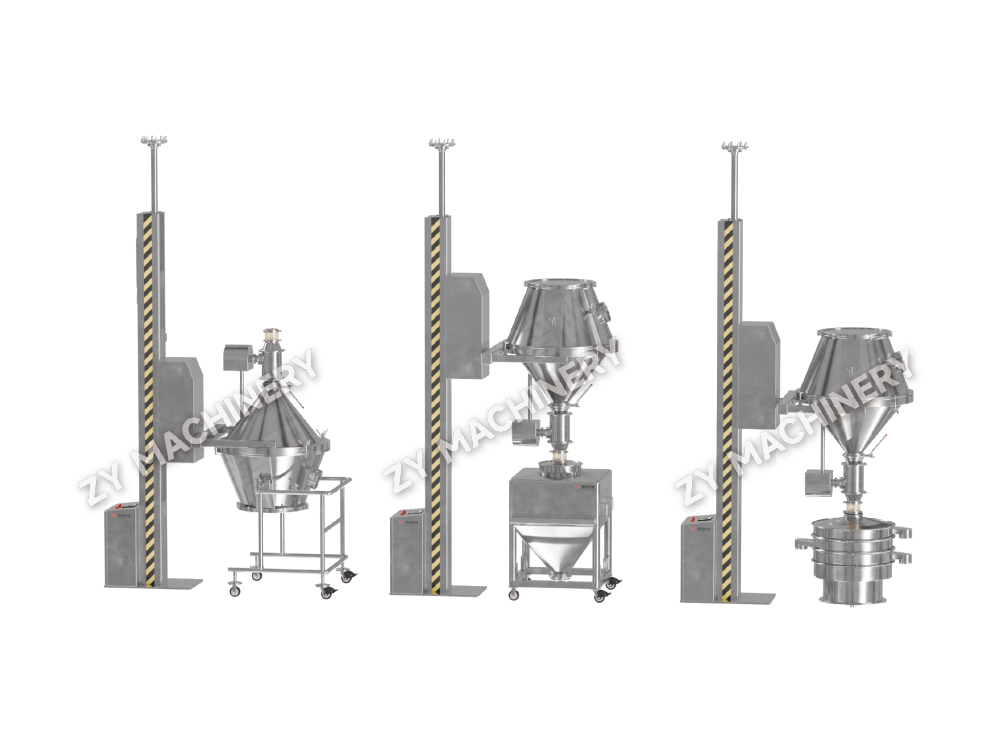
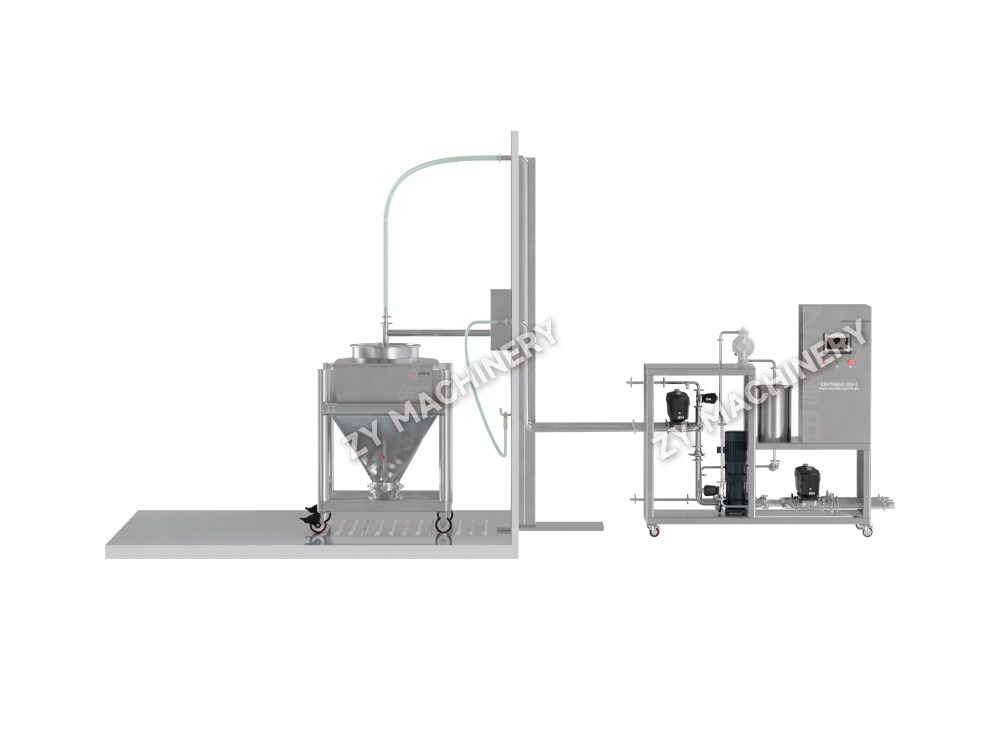
GFL R&D Lab Size Solid Dosage Production Unit
The GFL R&D lab size solid dosage production unit is designed with a mo.....

Content
Over 70% of new drug candidates fall into BCS Class II or IV — high permeability but low aqueous solubility. The consequence is poor oral absorption and frequent program delays. Amorphous spray dried dispersion (ASDD) addresses this head-on by converting a crystalline API into a high-energy amorphous form embedded within a polymeric carrier. The result is a free-flowing powder that can deliver solubility enhancement of 10- to 50-fold compared to the neat crystalline drug.
The process is deceptively simple. An API and polymer are co-dissolved in a volatile organic or aqueous solvent, atomized into a hot gas stream, and flash-dried in milliseconds. Rapid solidification kinetically traps the drug in the amorphous state, preventing recrystallization. The polymer serves a dual purpose: it inhibits nucleation during storage and enhances wetting during dissolution. Without the right polymer and process conditions, the metastable amorphous form will relax back to the lower-energy crystalline state, erasing all solubility gains.
ASDD differs from other amorphous solid dispersions (ASDs) prepared by hot melt extrusion precisely because of the solvent-based drying mechanism. Spray drying operates at lower thermal stress, making it the preferred route for thermally labile compounds. It also creates high-surface-area particles — typically 5 to 50 microns in diameter — with exceptional dissolution kinetics. These characteristics make ASDD a cornerstone technology in oral solid dose development, particularly for fast-disintegrating tablets and bioavailability-challenged pipelines.
The spray dryer is not a commodity item. Its design directly governs particle size distribution, residual solvent levels, yield, and the physical stability of the amorphous dispersion. Three scales dominate the equipment landscape: laboratory units for feasibility (1–5 kg batch), pilot dryers for process optimization (20–50 kg), and production-scale machines capable of 200 kg or more per batch.
At the laboratory stage, a benchtop spray dryer with a two-fluid nozzle atomizer and a modest evaporation rate — typically 1 to 5 kg of water per hour — suffices. These systems run small solvent volumes and allow rapid screening of polymer-drug ratios. When moving to pilot and commercial production, however, the bottleneck shifts. Rotary atomizers or high-pressure nozzle systems become essential to handle higher feed rates while maintaining tight droplet size control. Solvent recovery loops, often based on condensation or inert gas recirculation, become mandatory for economic and environmental reasons. The table below illustrates the choice progression for a typical LPG series of spray dryers.
| Dryer Model | Nominal Evaporation Rate (kg/h) | Typical Batch Size | Atomizer Type | Suitable Stage |
|---|---|---|---|---|
| LPG‑5 | 1–5 | 0.5–5 kg | Two‑fluid nozzle | Feasibility / R&D |
| LPG‑25 | 10–25 | 10–30 kg | Two‑fluid or rotary | Pilot / small‑scale clinical |
| LPG‑100 | 50–100 | 50–150 kg | Rotary or pressure nozzle | Late‑stage clinical / launch |
| LPG‑200 | 150–250 | 200–400 kg | Pressure nozzle | Commercial production |
Selecting the right spray dryer goes beyond throughput. Parameters such as inlet air temperature control range (typically 120–250°C), the efficiency of the cyclone separation system, and the availability of a bag filter or wet scrubber downstream determine overall yield and product quality. For equipment designed to handle Class I or II organic solvents, explosion-proof construction and inert-loop operation are non‑negotiable. A well‑engineered centrifugal spray dryer with integrated solvent recycling can recover over 95% of solvent, reducing operating cost by 30–40% compared to once‑through systems.
Facilities planning a dedicated ASD production line often pair the spray dryer with a downstream dehumidified material handling enclosure. This prevents moisture uptake during discharge — a critical step because many ASDD powders are hygroscopic, and even modest humidity exposure can lower the glass transition temperature enough to trigger crystallization.
The amorphous state achieved during spray drying is highly sensitive to processing conditions. Four parameters dominate the design space: inlet temperature, outlet temperature, atomization pressure, and feed rate. Their interplay determines residual solvent, particle morphology, and physical stability.
Residual solvent levels above ICH limits for Class II or III solvents are a common failure mode. Regulators expect less than 5000 ppm for Class III solvents and far lower for Class II. A study on HPMCAS‑based ASDD found that decreasing the outlet temperature by 10°C increased residual acetone from 800 ppm to 3200 ppm — a four‑fold spike. Therefore, the process control strategy should define both a target outlet temperature range and a maximum acceptable residual solvent limit.
Physical stability is another hidden cost of suboptimal parameters. Powders with high internal surface area and residual solvent exhibit accelerated molecular mobility. The onset of crystallization can be detected by modulated DSC or X‑ray diffraction within days rather than months. Process parameters that produce dense, low‑surface‑area particles with residual solvent below 0.5% w/w consistently deliver amorphous stability exceeding 12 months under ICH‑recommended storage conditions.
The polymer carrier is not an inert excipient. It dictates drug loading capacity, supersaturation maintenance, and long‑term physical stability. Three families dominate commercial ASDD formulations: hypromellose acetate succinate (HPMCAS), copovidone (PVPVA), and methacrylic acid copolymer (Eudragit L100-55). The choice starts with the drug’s ionizability and hydrophobicity.
HPMCAS, with its succinyl and acetyl substitution, is amphiphilic. It provides robust nucleation inhibition for neutral hydrophobic compounds and maintains supersaturation across a broad pH range. PVPVA, a vinylpyrrolidone‑vinyl acetate copolymer, offers high Tg (about 105°C) and strong hydrogen‑bond acceptor capacity, making it ideal for drugs with weak acidic protons that can form intermolecular bonds. Eudragit L100‑55, a methacrylic acid‑ethyl acrylate copolymer, dissolves at pH above 5.5, enabling targeted release in the small intestine — a benefit for acid‑labile APIs or when gastric precipitation must be avoided.
| Polymer | Tg (°C) | Solubility Parameter (MPa½) | Hygroscopicity | Best API Profile |
|---|---|---|---|---|
| HPMCAS (L grade) | 120 | 23–24 | Moderate | Neutral, LogP > 3 |
| PVPVA (copovidone) | 105 | 21–22 | High | Weakly acidic, H‑bond donors |
| Eudragit L100‑55 | 150 | 19–20 | Low | Acid‑labile, enteric target |
A practical framework starts with estimating the Flory‑Huggins interaction parameter (χ) from solubility parameters. A negative or near‑zero χ predicts miscibility at the molecular level. Beyond thermodynamics, dynamic assessments — supersaturation‑precipitation experiments in biorelevant media — reveal whether the polymer can sustain the amorphous drug concentration above its equilibrium solubility long enough for absorption. HPMCAS‑based dispersions typically sustain a 20‑ to 40‑fold supersaturation for 3–4 hours in FaSSIF media, outperforming PVPVA‑based systems for extremely hydrophobic compounds. Where moisture sensitivity is a concern, Eudragit L100‑55’s low hygroscopicity often yields fewer stability excursions than PVPVA.
A spray dried dispersion is not a dosage form. The fine, low‑density powder exhibits poor flow — Carr index values above 25% and Hausner ratios exceeding 1.35 are common — and marginal compressibility. Converting this powder into a robust tablet or capsule fill requires purpose‑designed downstream unit operations. The two dominant integration paths are direct compression (DC) and dry granulation.
Direct compression demands excellent blend flow and compaction. Because ASDD powders alone rarely meet flow specifications, a fluid‑bed granulation or a high‑shear blending step with roller compaction is typically inserted. A standard formulation might combine ASDD, microcrystalline cellulose, crospovidone disintegrant, and colloidal silicon dioxide glidant. Even with optimized excipients, sticking and picking during compression are frequent due to the low Tg of many ASDD systems — the amorphous material can soften under compression heat. Tablet press speed, pre‑compression force, and punch coating must be carefully controlled.
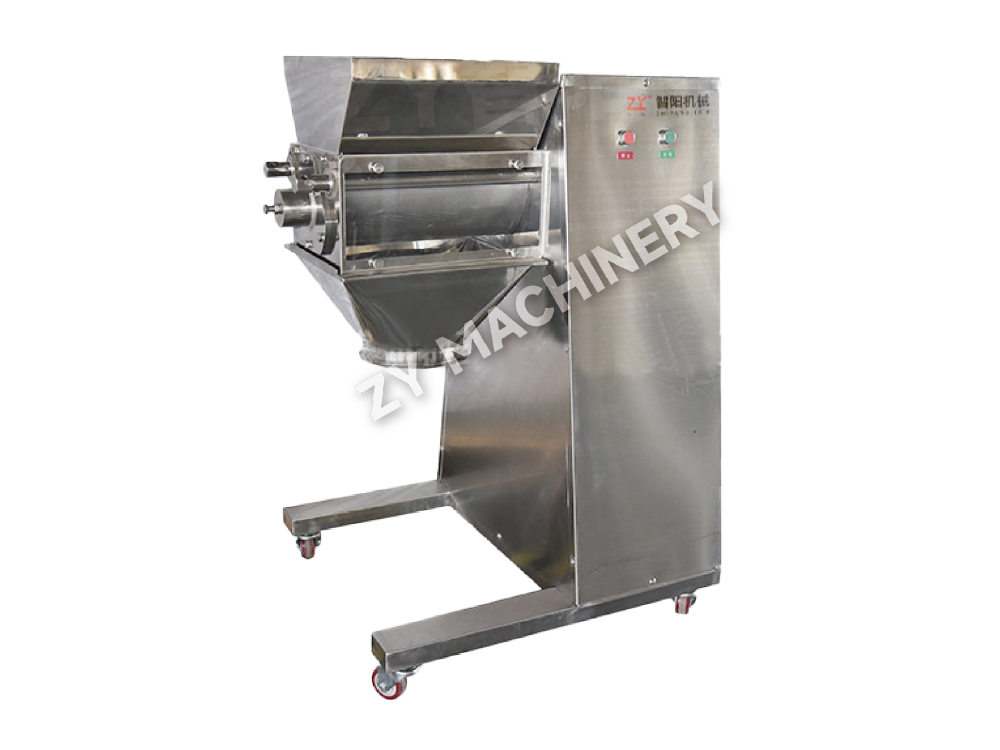
Dry granulation via a roller compactor such as a roller compactor addresses flow and segregation issues while avoiding the thermal stress of wet granulation. Ribbons are milled into granules with improved packing and flow. The granule’s higher porosity often translates to faster disintegration, a critical attribute for immediate‑release products. In one comparative study, roller‑compacted ASDD granules achieved a tablet disintegration time of 4.5 minutes versus 8 minutes for the direct compression blend, with comparable hardness.
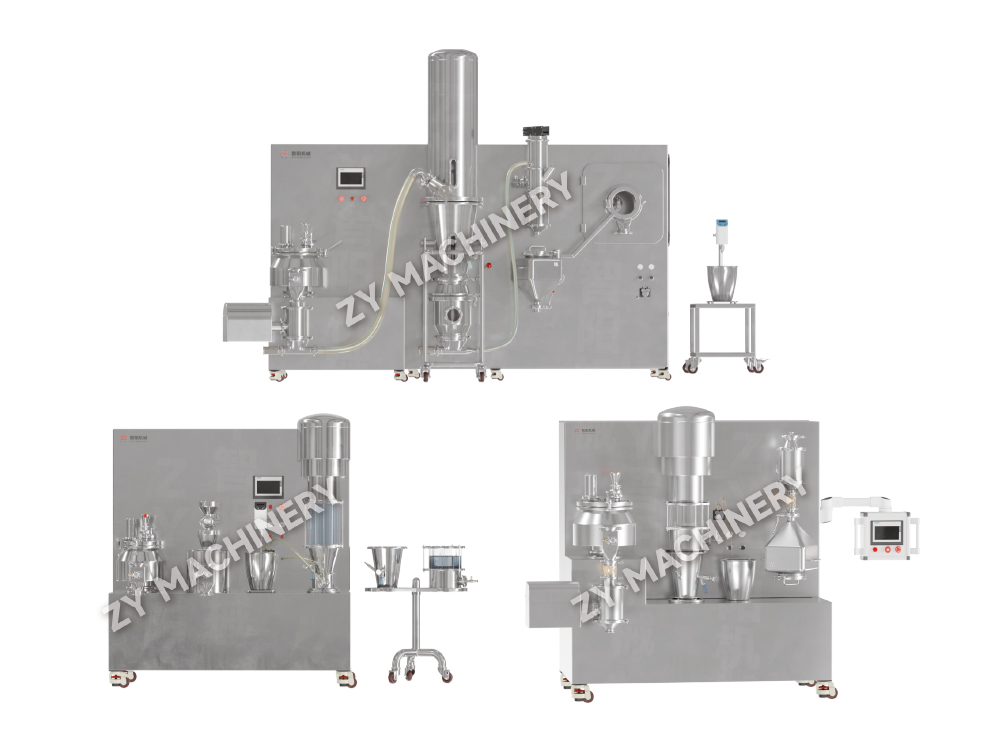
When immediate release is not the goal, ASDD powders can be layered onto non‑pareil seeds in a fluidized bed and subsequently coated for controlled release. This approach decouples the dissolution rate from the tablet matrix, providing precise modulation of release kinetics. The entire train — spray dryer, blender, roller compactor, tablet press, and coater — must be designed for containment if the API is potent, a topic that bridges to high‑containment strategy.
Many early‑stage oncology candidates fall into occupational exposure band (OEB) 4 or 5, with operator exposure limits below 1 μg/m³. Producing an ASDD for such compounds in an open‑front spray dryer is unacceptable. Instead, the entire process chain — from solution preparation through drying, discharge, and downstream handling — must be enclosed under negative pressure with validated containment performance.
High‑containment spray drying systems incorporate several design modifications. Split‑valve or continuous‑liner bag‑in/bag‑out discharge ports prevent operator contact with dry powder. CIP (clean‑in‑place) systems with automated sequence control reduce manual intervention; a typical CIP cycle for a production contained dryer ranges from 30 minutes for routine cleaning to 2 hours for a full batch‑to‑batch changeover. The dryer’s gas handling loop operates under slight vacuum, and HEPA‑filtered exhaust ensures that any leak pushes air inward.
The capital cost premium is significant. A contained system adds 30–50% to the equipment price compared to a conventional spray dryer of the same throughput. Operating costs also rise due to extended changeover times, higher energy consumption from additional air handling, and the need for serviceable isolator gloves and gaskets. However, these costs are offset by regulatory risk reduction. A properly designed contained facility avoids the need for restrictive personal protective equipment and reduces the frequency of occupational health monitoring.
Compliance extends to documentation. Data integrity for CPP monitoring — inlet/outlet temperature, pressure differential across containment barriers, and CIP parameters — must be captured in a 21 CFR Part 11‑compliant historian. The batch record should demonstrate that all containment interlocks were functional during processing. Investing in high‑containment infrastructure at the pilot scale shortens the path to commercial supply by generating representative data that translates directly into the production‑scale control strategy.
Scale‑up failures in ASDD often trace back to two root causes: changes in droplet drying trajectory and inadequate control of downstream handling humidity. A droplet’s size and residence time in the drying chamber scale non‑linearly with dryer dimensions. A lab dryer with a 0.5 m chamber diameter operates in the milliseconds range; a production dryer with a 3 m diameter may extend residence time to several seconds, exposing the forming particle to elevated temperature stress for a longer period.
The consequence is a shift in particle morphology, residual solvent, and occasionally phase separation that was not observed at the lab scale. A structured scale‑up plan addresses this with three milestones:
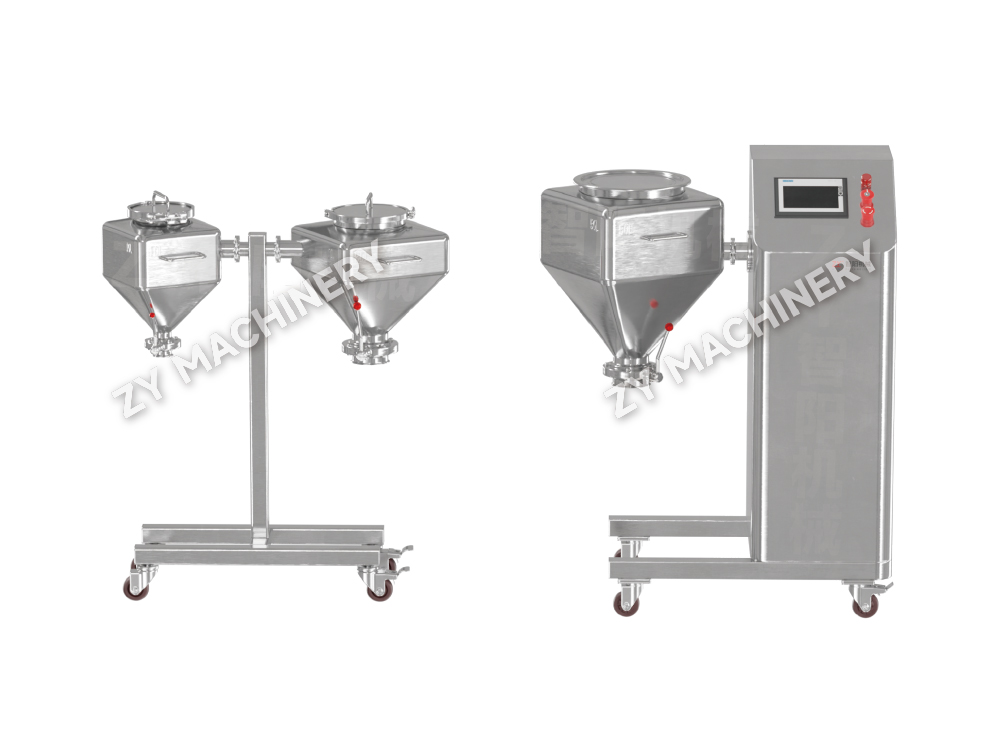
Throughout this journey, equipment compatibility between scales is critical. Facilities that invest in a full‑scale line — from a spray dryer with identical atomization principle to a matching downstream mill and blender — avoid the common pitfall of process re‑development at each stage. The payback is measured in regulatory confidence and time saved during the NDA review cycle.
Want to stay up to date?
Contact us via the email address below.
Don't worry about spam. We hate it too!
Mobile Client

Video Account
Phone:+86-15161130178
Tel:+86-519-88674267
Email:czzy188@163.com
Phone:+86-15161132798
Email:zy@zy-drying.com

WeChat ID

Copyright 2026 Changzhou Zhiyang Machinery Equipment Co., Ltd. All Rights Reserved  Oral Solid Dosage Equipment Manufacturer