 English
 Español
 русский
 中文简体
中文简体GFH R&D High-Containment Solid Dosage Production Line
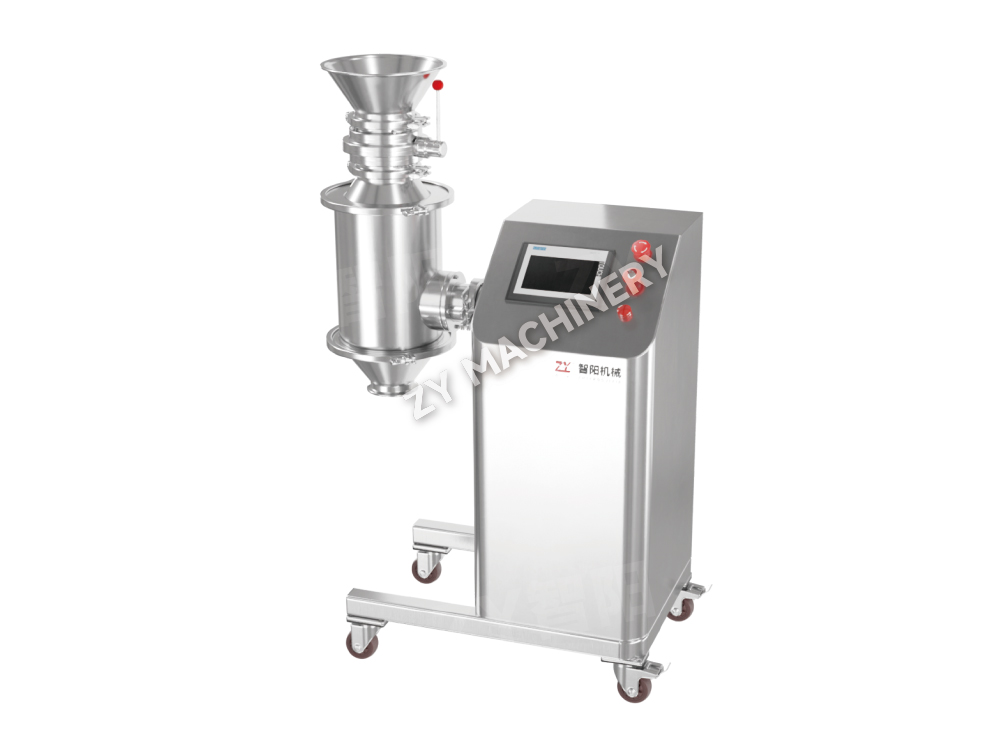
The GFH R&D High-Containment Solid Dosage Production Line is designed f.....

Content
Your development team has just received the toxicology report for a new oncology API. The occupational exposure limit (OEL) is below 1 µg/m³ as an eight-hour time-weighted average. That number changes everything: the existing oral solid dosage line cannot be used without re-engineering, because the powder will pass through open charging points, a high-shear granulator, a fluid-bed dryer, and a coating pan before compression. Every one of those steps can release respirable dust.
This is the real starting point for highly potent active pharmaceutical ingredient (HPAPI) processing. The equipment decision is no longer only about throughput and yield; it is about containing a substance that can harm operators at extremely low airborne concentrations. The practical answer is not a single "contained machine" but a closed process chain extending from material dispensing, through granulation, drying and coating, to cleaning and decontamination. With the right containment design, small and mid-scale plants can handle highly potent compounds safely without turning the entire facility into an isolator.
An active pharmaceutical ingredient is described as highly potent when it produces a pharmacological response at a very low dose. In occupational health terms, the critical threshold is the OEL: the airborne concentration below which most workers can be exposed over a working lifetime without adverse effects. A common working definition sets HPAPI status at an OEL of 10 µg/m³ or lower, and many advanced molecules, especially targeted cancer therapies and antibody-drug conjugate payloads, carry OELs below 0.1 µg/m³. Cytotoxic compounds, hormones, and certain enzyme inhibitors fall into the same category. The lower the OEL, the less material it takes to cause harm, which means even milligram-level dust leaks become significant events.
HPAPI products are typically manufactured in smaller batch sizes than conventional oral solid dosage forms, yet the consequences of cross-contamination are far more severe. A residue that would be irrelevant for a standard analgesic can pose a real risk when the next product is a highly potent hormone. That is why containment strategy must be defined before the equipment layout is fixed, not after. Hazard assessment and occupational exposure banding are the natural first step.
Occupational exposure banding groups compounds into bands according to OEL ranges. It gives process engineers a common language to specify containment. The exact table can differ between companies, but a widely used scheme looks like this:
| OEB level | Typical OEL range | Indicative control approach |
|---|---|---|
| OEB 1 | > 1,000 µg/m³ | Standard industrial hygiene and local exhaust |
| OEB 2 | 100 – 1,000 µg/m³ | Local exhaust ventilation with closed transfers where possible |
| OEB 3 | 10 – 100 µg/m³ | Controlled containment, enclosed equipment, glove ports where needed |
| OEB 4 | 1 – 10 µg/m³ | Containment, dedicated equipment, HEPA filtration, glove ports |
| OEB 5 | < 1 µg/m³ | Full containment, isolator, dedicated facility or line |
Bands 4 and 5 are the operating zone for most true HPAPIs. They require dedicated equipment, closed transfer, and in many cases negative-pressure isolators or glove ports. Band selection also determines whether a line can be shared or must be dedicated.
Powder handling steps are the highest-risk part of HPAPI processing. Weighing and dispensing expose fine dust to the operator. Manual charging of a granulator creates a plume around the bowl. Fluid-bed drying produces high air volumes that carry sub-micron particles into filters and downstream ducts. Coating pans generate dust at the inlet and exhaust. Discharge from a blender into an open drum is another classic release point. Each of these must be addressed with hardware, not just procedure.
After the batch runs, the equipment surface carries the next risk. HPAPI cleaning limits are often set at levels such as 10 ppm or even 1 ppm of the previous product, and recovery from awkward surfaces such as gaskets, screens, and charging chutes is difficult. Equipment that can be cleaned in place, drained completely, and visually inspected significantly reduces this risk. A CIP system with validated spray coverage is therefore not an accessory; it is a component of the containment strategy.
Highly potent products are often niche drugs with small batch sizes and frequent changeovers. A line that can only run one molecule per quarter is expensive. Flexible containment, where mobile bins, cleaning stations, and batch-specific tooling are shared, improves utilization, but only if the cleaning and transfer systems are designed from the start for potent products.
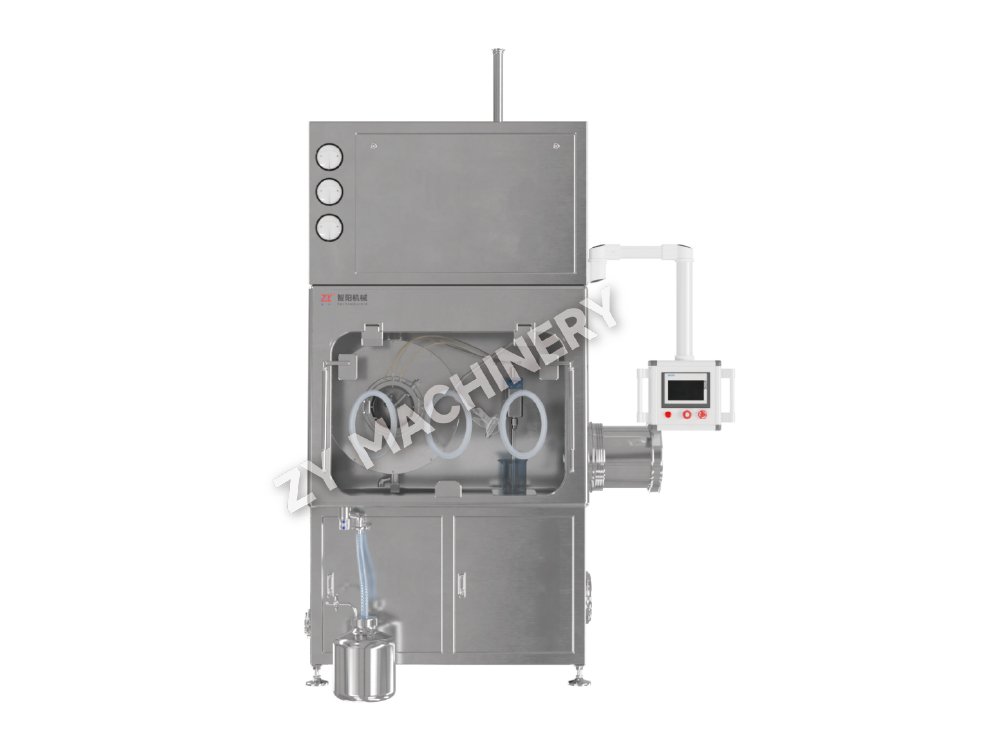
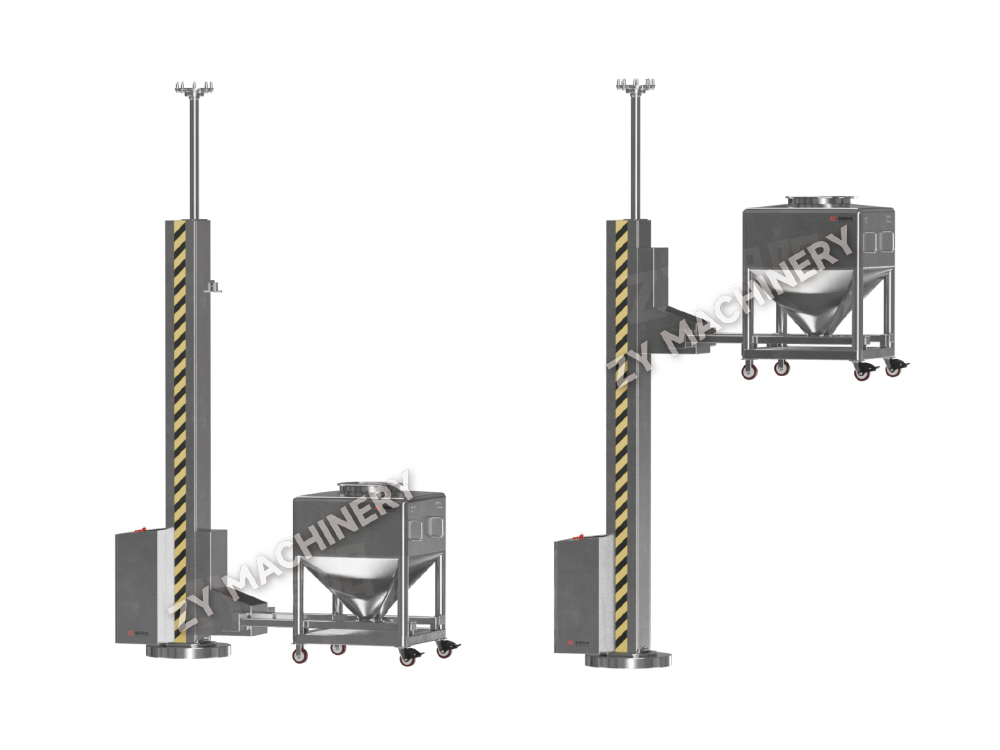
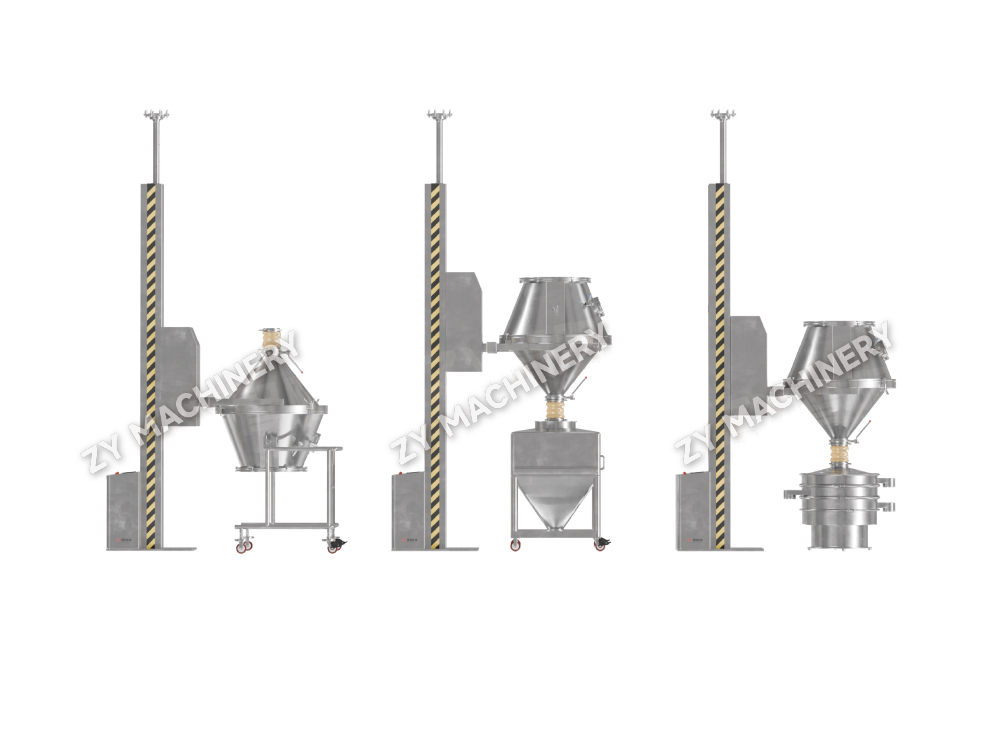
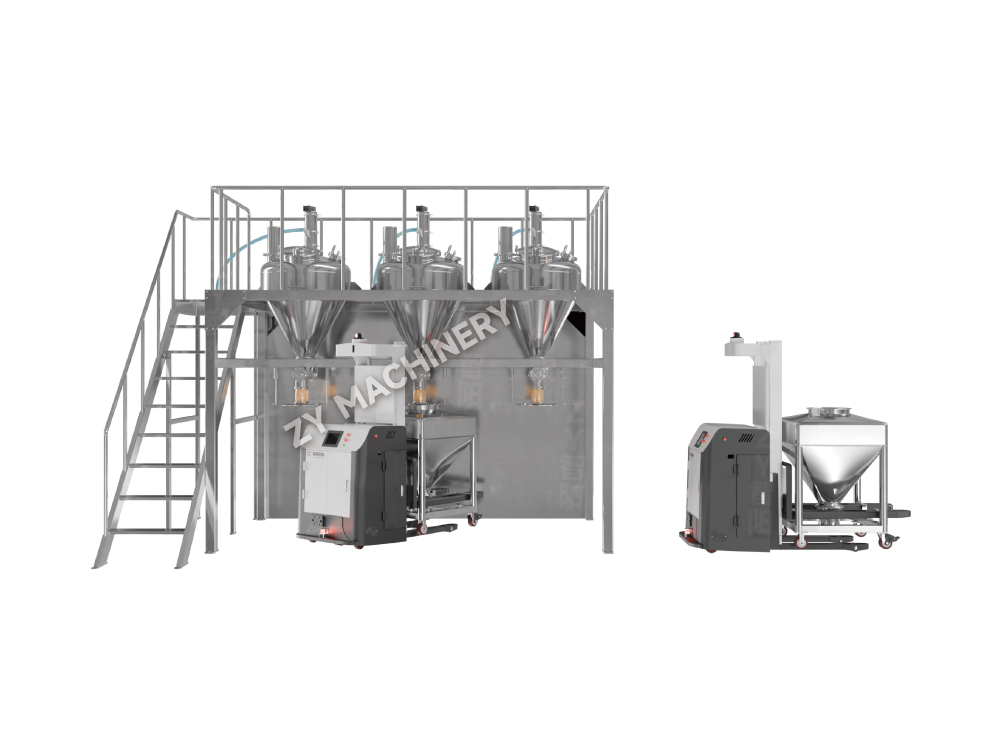
Dust-free charging stations, vacuum feeders, and bin blenders with docking ports are the core of a closed transfer chain. API and excipients can be weighed in a local containment booth and transferred into a bin blender without opening the container in the open room. The blending bin itself becomes the transfer vessel, which avoids the classic drum-to-hopper step. Our granulation equipment series includes several machines that can be arranged around this closed-bin workflow, from feeding to finished granules.
Wet granulation is one of the harder operations to contain because water and solvents are present and the machine interior cannot always be kept at strong negative pressure. For HPAPI duty, the granulator must be specified with gasketed bowls, contained charging and discharge, and in some cases a nitrogen purge. The same logic applies to fluid-bed dryers and integrated granulator-dryer systems. Explosion-proof design in pharmaceutical wet granulation is especially important when solvents are used, and it affects the whole chain: ducts, dampers, filters, and instrumentation.
Film coating generates fine powder during the loading and spraying phase, and the drum exhaust can carry potent material. The most practical way to coat an HPAPI tablet is inside a machine that maintains negative pressure, rinses the drum automatically, and allows closed product transfer. A product like the BGB-HR-D high-containment high-efficiency coating machine is built for this exact purpose: it combines film coating with high-containment operation and clean-in-place capability in a single unit.
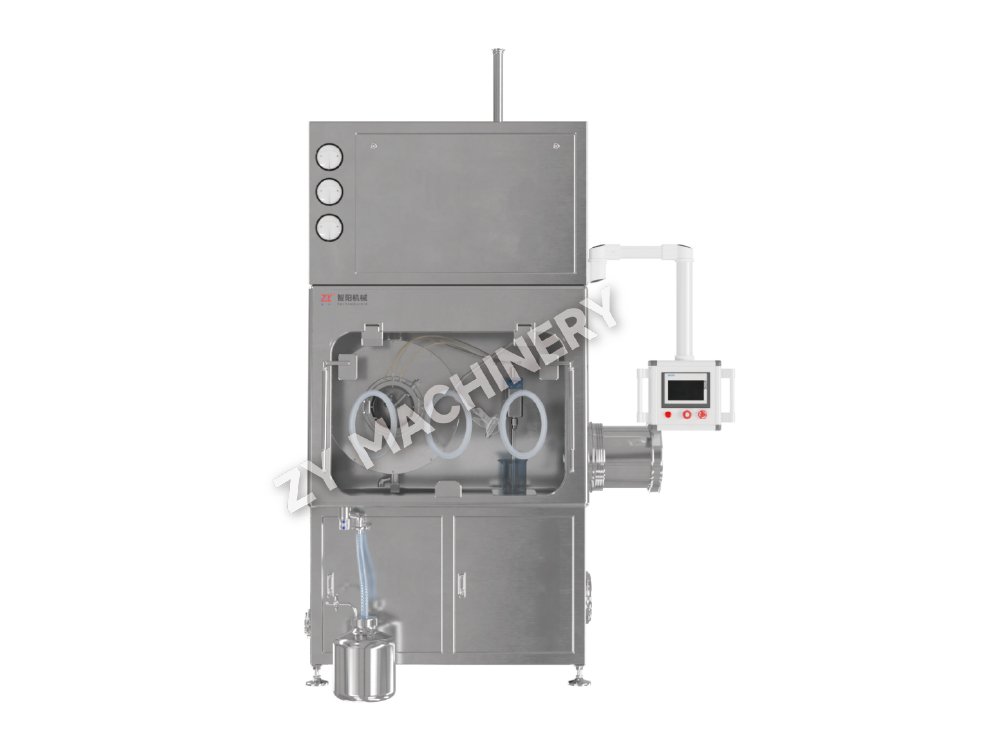 BGB HR&D High-Containment, High-Efficiency Coating Machine Suppliers, OEM/ODM CoAs China BGB HR&D High-Containment, High-Efficiency Coating Machine Suppliers and OEM/ODM Company, ZY Machinery offer BGB HR&D High-Conta...View Product →
Once a batch leaves the process area, the bins, chutes, and pans are the main contamination source for the next product. Fixed machines can be connected to a central CIP station, while mobile equipment benefits from a mobile CIP cleaning station that can be moved between rooms and connected to different vessels. The station should provide validated flow, pressure, and temperature, with documented spray patterns to support cleaning qualification.
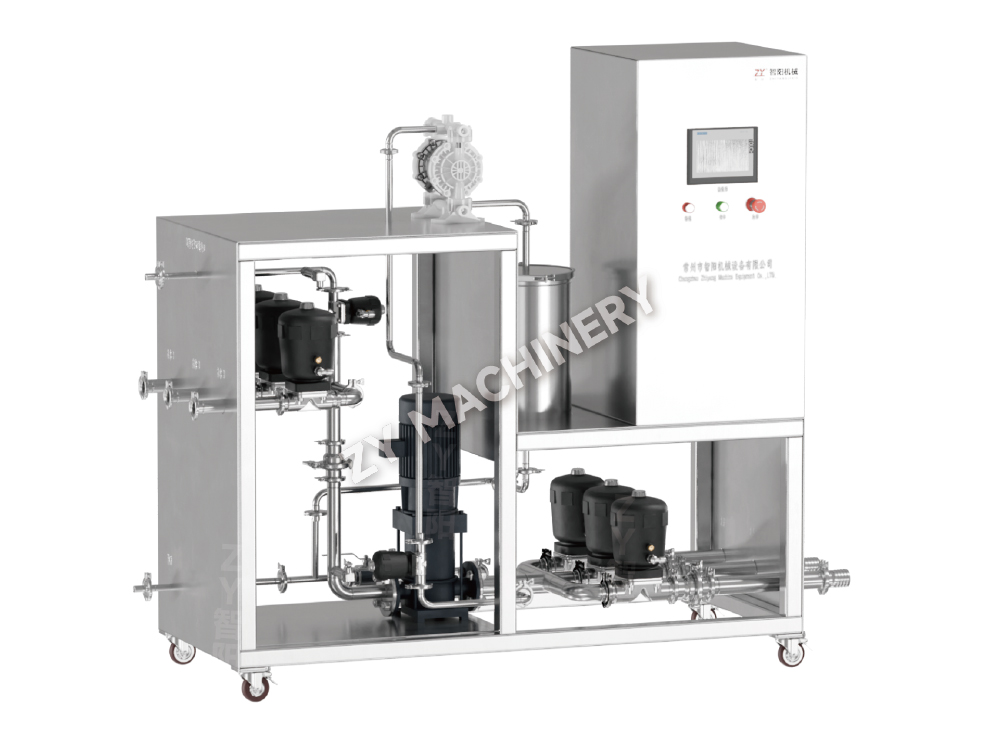 QWQY Mobile CIP Cleaning Station Suppliers, OEM/ODM Company - Changzhou Zhiyang As China QWQY Mobile CIP Cleaning Station Suppliers and OEM/ODM Company, ZY Machinery offer QWQY Mobile CIP Cleaning Station for sale,The...View Product →
Containment should not start when the product reaches production scale. Small-scale formulations made in an open lab contribute to operator exposure and give misleading data on dust behavior. Setting up a high-containment line in the lab, such as a high-containment solid dosage production line, allows process development engineers to confirm granulation and coating parameters under realistic exposure conditions. The data collected then transfers more reliably to the full-scale line.
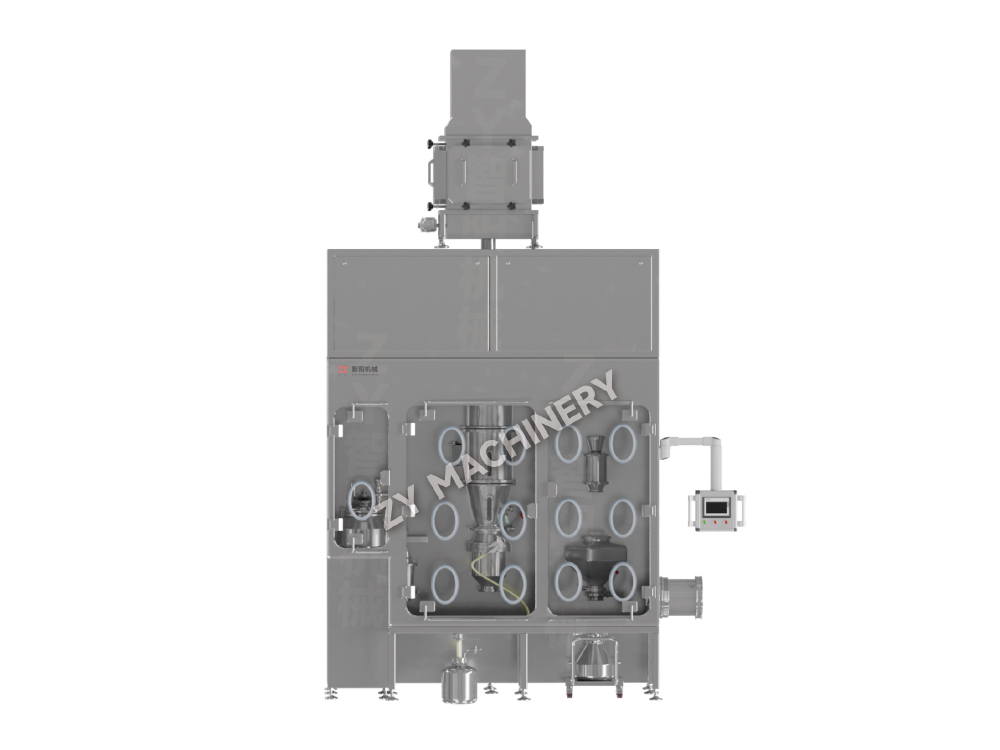 GFH R&D High-Containment Solid Dosage Production Line Suppliers, OEM/ODM CompanyAs China GFH R&D High-Containment Solid Dosage Production Line Suppliers and OEM/ODM Company, ZY Machinery offer GFH R&D High-Containment...View Product →
Not all "contained" equipment performs equally. The following points separate a workable approach from a costly mistake:
The most efficient route to HPAPI readiness is to define the containment target first. Determine the OEL, assign an exposure band, identify the dust release points in every step, then select equipment with matching containment and cleaning features. A closed material transfer system, contained granulation and coating, and validated CIP form the backbone. It also helps to work with a supplier that understands the process rather than selling isolated machines. Our process-driven engineering team starts from the material characteristics and operating context and then configures equipment for the exposure band you need.
Highly potent APIs are not a different class of chemistry; they are a different class of risk. The equipment that handles them must be evaluated on exposure control and cleanability as carefully as on output. If those two constraints are designed in from the beginning, HPAPI projects remain manageable for a well-equipped solid dosage facility.
Want to stay up to date?
Contact us via the email address below.
Don't worry about spam. We hate it too!
Mobile Client

Video Account
Phone:+86-15161130178
Tel:+86-519-88674267
Email:czzy188@163.com
Phone:+86-15161132798
Email:zy@zy-drying.com

WeChat ID

Copyright 2026 Changzhou Zhiyang Machinery Equipment Co., Ltd. All Rights Reserved  Oral Solid Dosage Equipment Manufacturer