 English
 Español
 русский
 中文简体
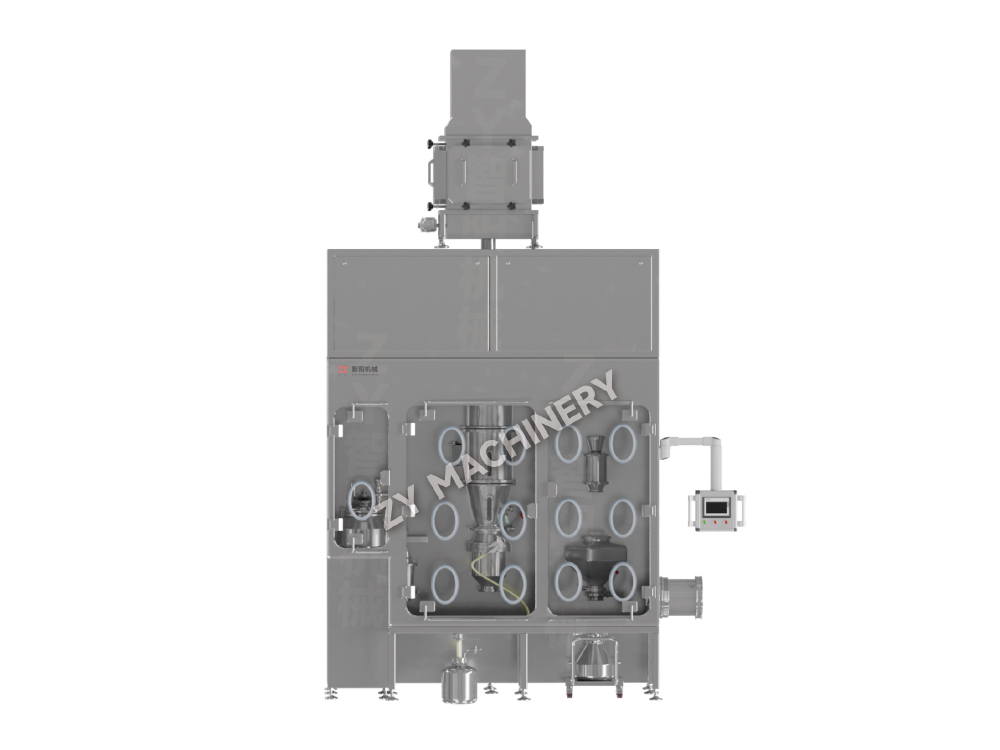
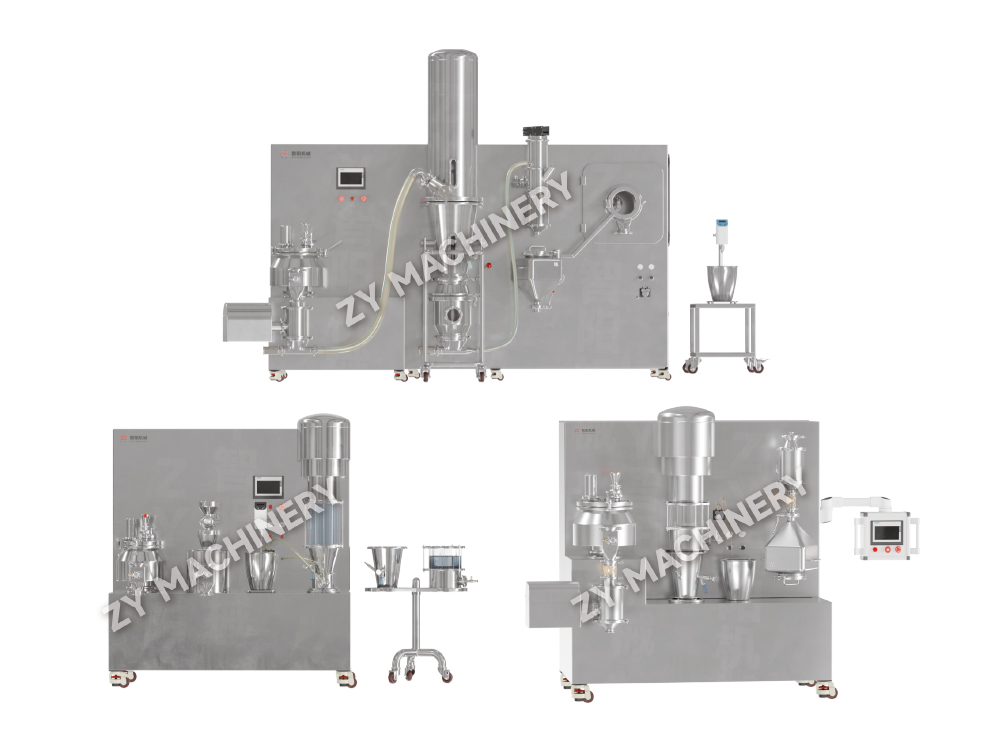
中文简体GFH R&D High-Containment Solid Dosage Production Line
The GFH R&D High-Containment Solid Dosage Production Line is designed f.....

Content
A tablet that performs flawlessly at laboratory scale does not always survive the move to commercial production. In most cases, the problem is not the formulation itself—it is the process. Process development in the pharmaceutical industry is the discipline that turns a laboratory-scale recipe into a robust, repeatable, and scalable manufacturing method.
For oral solid dosage forms—tablets, capsules, and granules—process development has a very concrete meaning. It defines how raw powders are blended, granulated, dried, sized, coated, and transferred between unit operations. It also defines the equipment, the operating parameters, and the controls that keep every batch consistent. This article explains what process development involves in practice, why it matters, and how equipment choices affect the outcome.
Process development is the work that happens between drug discovery and routine manufacturing. During discovery, the priority is proving that a molecule works. During process development, the priority shifts to proving that the molecule can be manufactured at scale with acceptable quality, yield, and cost.
In the pharmaceutical industry, this covers several interlinked areas:
Early process development is often performed on laboratory or pilot equipment that mirrors the production line. The goal is to observe how the material responds to mechanical and thermal stress, then translate those observations into a process that can run reproducibly on production-scale machines. When this translation is done well, scale-up becomes a confirmation exercise rather than a troubleshooting exercise.
The consequences of weak process development show up late—usually during scale-up or validation—and they are expensive to fix. A robust process, in contrast, delivers benefits that compound across the product lifecycle.
A well-developed process produces tablets with consistent content uniformity, hardness, disintegration, and dissolution behavior. For low-dose and high-potency products, uniform blending and granulation are not just quality targets; they are patient-safety requirements. A process that depends on an operator's judgment rather than measurable endpoints will drift between shifts, across batches, and especially when equipment is changed.
The pharmaceutical industry does not reward processes that work only under perfect conditions. A robust process tolerates normal variation in raw material properties and environmental conditions. It produces acceptable yield, avoids rework and rejected batches, and uses energy and cleaning resources predictably. Early process development effort pays for itself quickly in reduced batch failure and faster technology transfer.
Regulators expect manufacturers to understand their processes, not just run them. Process development generates the scientific rationale for the parameters and ranges submitted in regulatory dossiers. It also creates room for continuous improvement: when a process is well understood, changes can be evaluated against a clear baseline, which makes post-approval changes less risky and easier to justify.
Many process problems that appear at production scale are, in fact, created by decisions made at small scale. Poor mixing choices, inconsistent granulation endpoints, or inappropriate drying conditions in development become yield losses, segregation, or dissolution failures at scale. Process development is the stage where these risks are identified and eliminated before they become manufacturing incidents.
For the pharmaceutical industry's most common solid dosage forms, the manufacturing process usually passes through the same core unit operations. Each operation has multiple equipment options, and the choice between them depends on the material, the target product profile, and the available facility.
Blending is the first opportunity to create content uniformity, and it is also the easiest place to lose it. Powder blends can segregate by particle size, density, or shape when handled improperly. Process development must therefore define not only blender type and speed, but also the transfer method between the blender and the next operation.
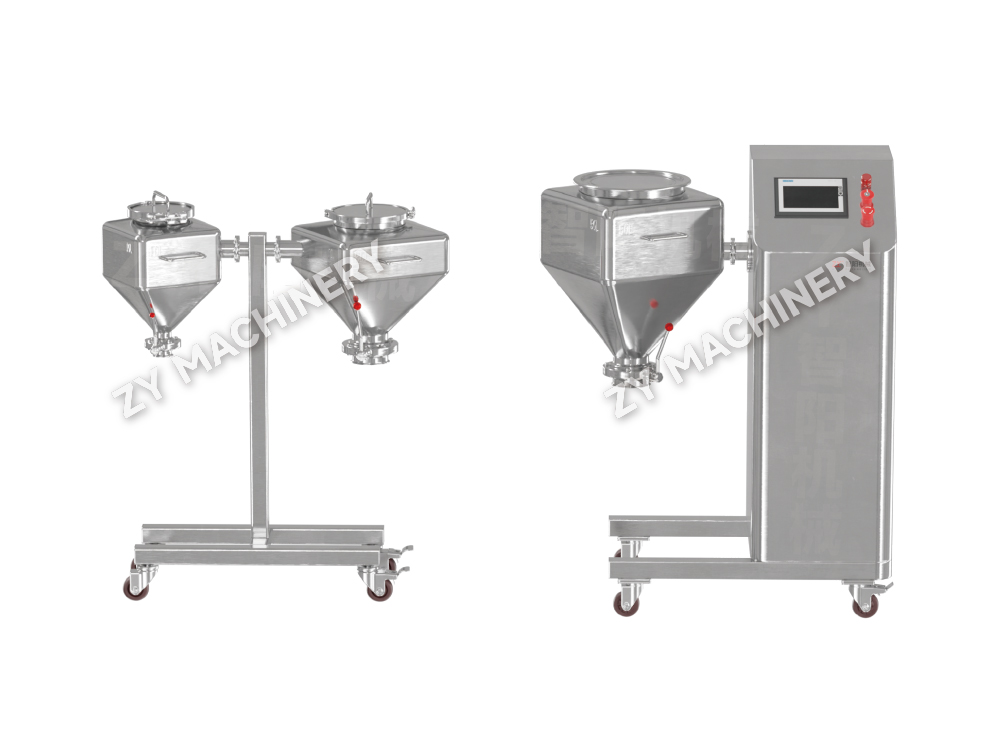
For free-flowing powders, tumbling blenders such as bin blenders are widely used because they combine blending capacity with containerized handling. For cohesive formulations, high-shear mixing equipment is often the better starting point, particularly when the mixer will also perform wet granulation. The key performance factors of high-speed mixing equipment include impeller tip speed, chopper configuration, bowl geometry, and the way liquid is introduced—each of which influences granule quality and batch consistency.
Granulation exists to improve flow, prevent segregation, increase bulk density, and create a structure that compresses well. The choice of granulation method is one of the most consequential decisions in solid dosage process development.
| Criteria | Wet granulation (high-shear) | Dry granulation (roller compaction) | Fluid-bed granulation |
|---|---|---|---|
| Typical materials | Cohesive, high-dose, poorly flowing | Moisture- or heat-sensitive APIs | Moderately cohesive, heat-tolerant |
| Processing time | Short per batch | Relatively short | Longer, integrated drying step |
| Key parameters | Impeller speed, liquid addition rate, wet mass consistency | Roll pressure, roll gap, screen size | Inlet temperature, spray rate, atomization air |
| Batch handling | Separate drying required | No drying required | Granulation and drying combined |
| Common risk | Over-granulation, lump formation | Density variation, poor reworkability | Agglomerate growth control |
In high-shear wet granulation, the process development team must answer practical questions: how much binder solution is needed, how long the wet mass should be mixed, what the granule size distribution should be before drying, and how robust the endpoint is to small changes in liquid addition. Equipment design matters here. A high-speed mixing and granulation machine with a well-designed impeller and chopper arrangement makes the endpoint easier to control. Various factors that affect the granulation products of wet mixing deserve attention early in development, from binder selection to bowl loading.
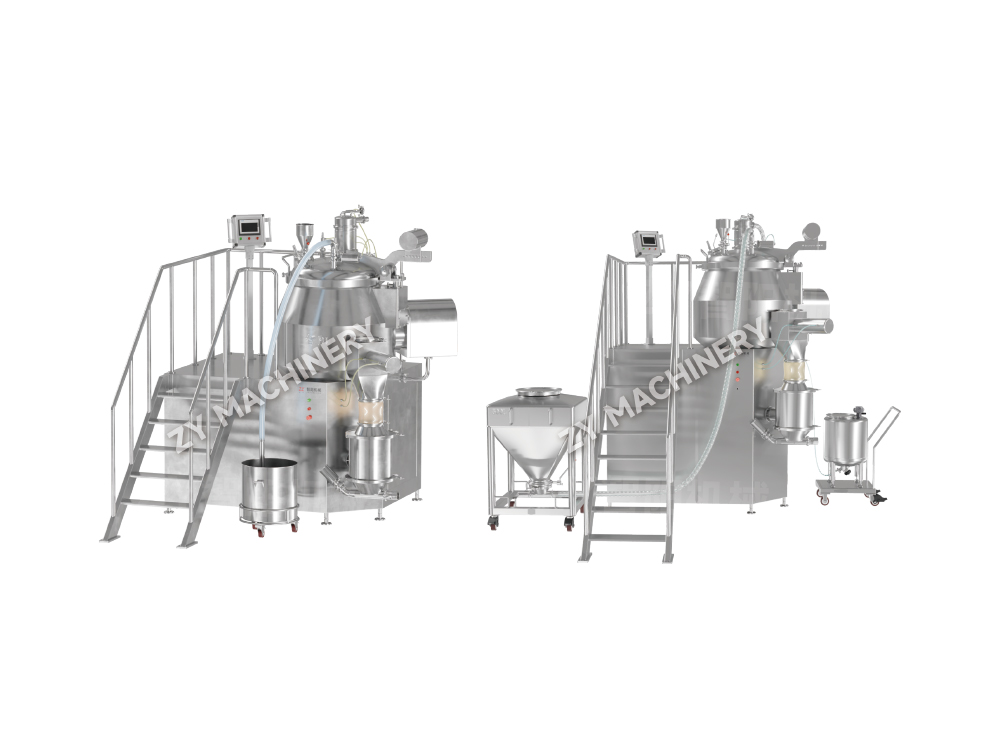 GHL High Speed Mixing Granulator Suppliers, CompanyAs GHL High Speed Mixing Granulator Suppliers and High Speed Mixer Granulator Company in China, ZY Machinery offer Custom High Speed Mixe...View Product →
Dry granulation, by contrast, compacts powder between counter-rotating rolls and then mills the compacted ribbons into granules. It suits APIs that degrade in the presence of moisture or heat. The critical parameters are roll pressure, roll gap, feeding rate, and milling screen size. A roller compactor designed for uniform feeding and stable roll pressure reduces the variability that makes dry granulation difficult to control.
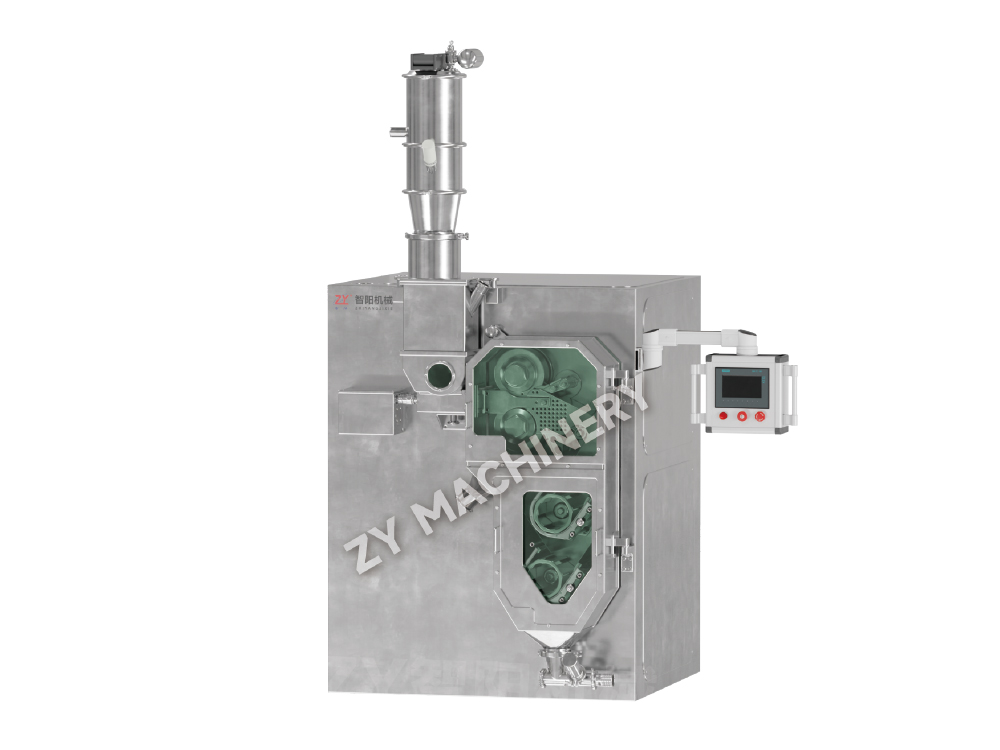 GK Roller Compactor Suppliers, OEM/ODM Company - Changzhou Zhiyang Machinery EquAs China GK Roller Compactor Suppliers and OEM/ODM Company, ZY Machinery offer GK Roller Compactor for sale,The GK roller compactor is a ...View Product →
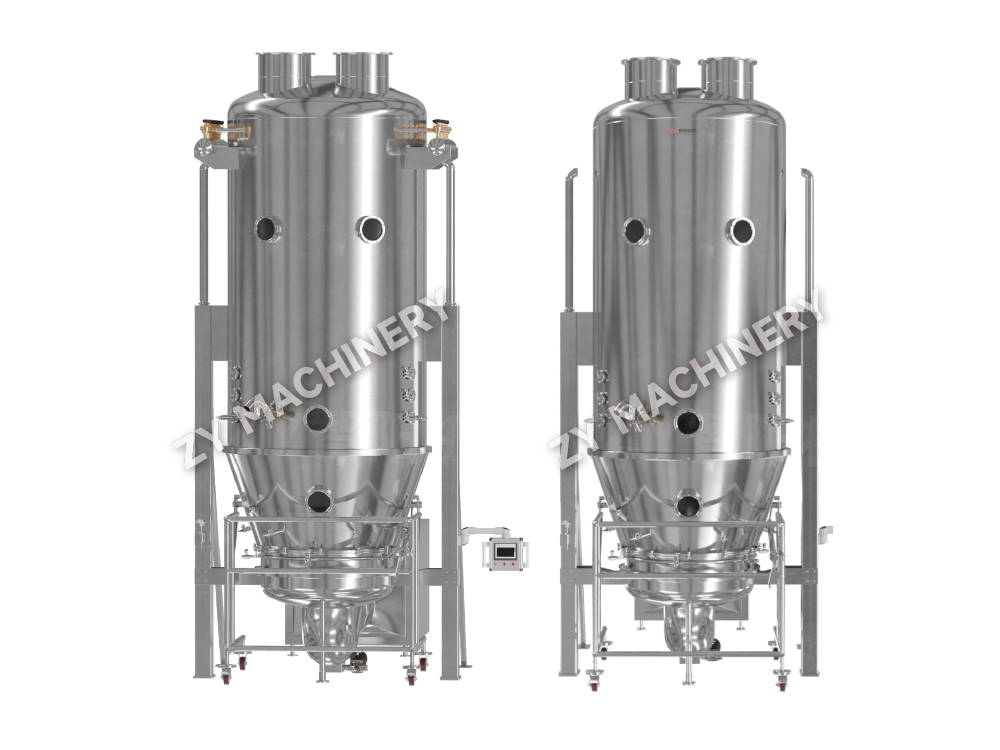
Fluid-bed granulation combines granulation and drying in one vessel. The powder bed is fluidized by heated air while binder solution is sprayed from above. This route produces porous granules with good wettability and is well suited to products that need a larger particle structure. The trade-off is that it is sensitive to airflow distribution, spray droplet size, and bed moisture content. A multifunctional fluid-bed granulator that also supports coating and drying gives development teams the flexibility to test several process routes on one machine.
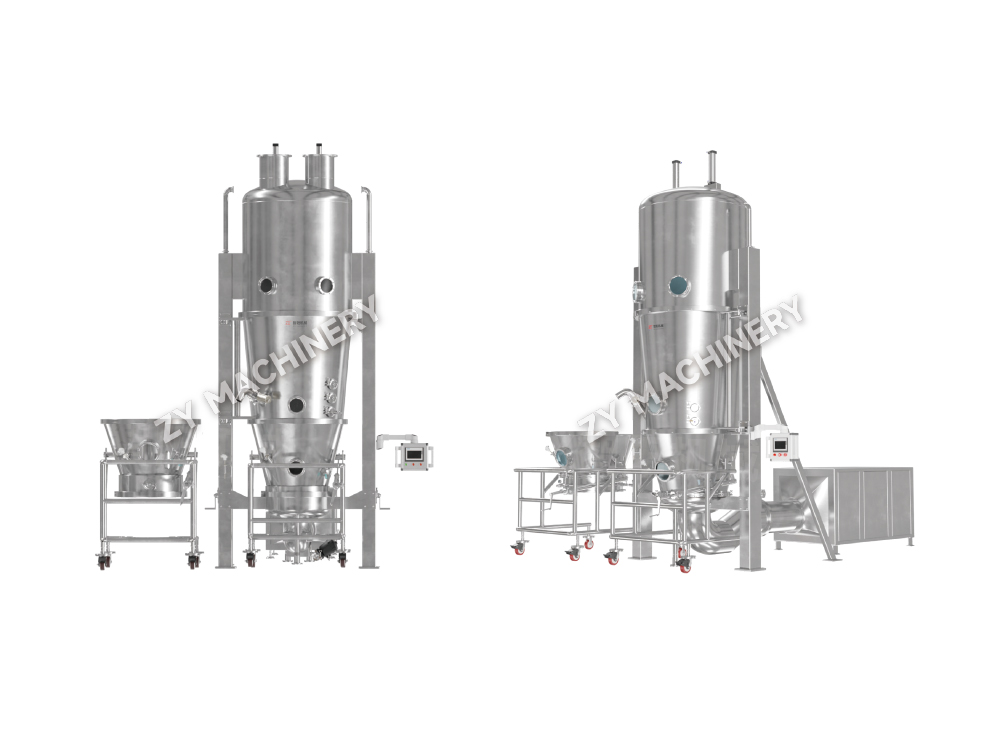 DLP Multi-Functional Fluid-bed Granulator & Coating Machine Suppliers, OEM/ODM CAs China DLP Multi-Functional Fluid-bed Granulator & Coating Machine Suppliers and OEM/ODM Company, ZY Machinery offer DLP Multi-Function...View Product →
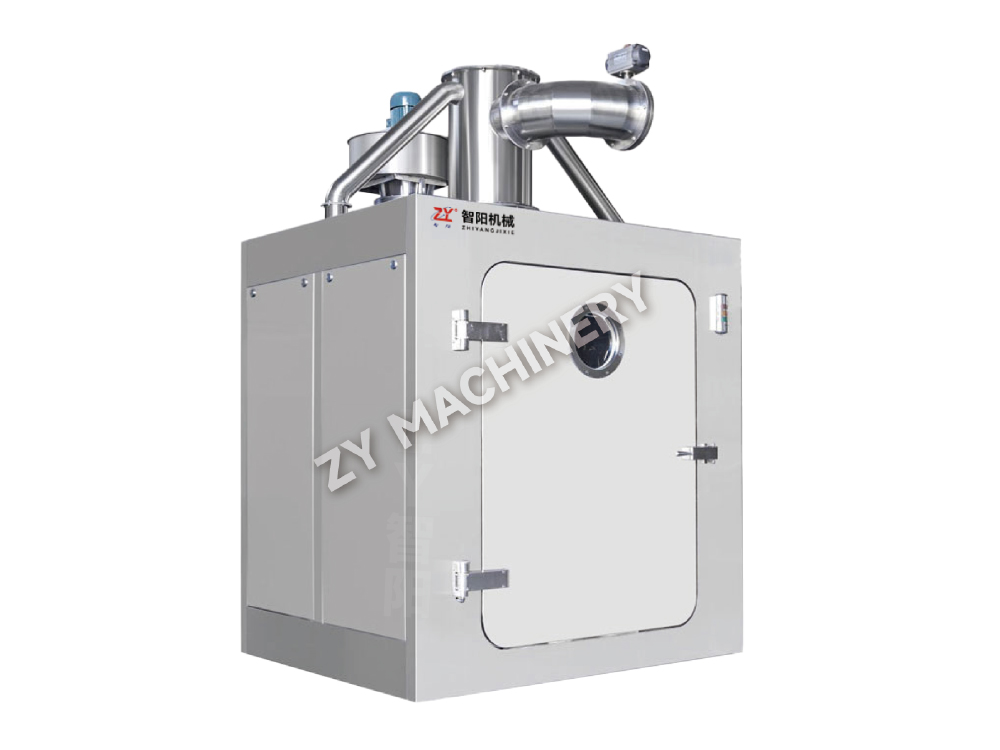
For wet granulation processes, drying is the point where many failures originate. Over-drying can create dust and segregation risk; under-drying can cause sticking and poor flow. Vacuum drying, tray drying, and fluid-bed drying each produce different granule characteristics. Equipment selection and endpoint definition must be based on data. For processes where the API is sensitive to oxygen or temperature, the performance data and selection criteria for pharmaceutical vacuum drying equipment are worth studying before committing to a drying route.
Milling and sizing follow drying to normalize granule size distribution before final blending. The objective is not to create fine powder but to break agglomerates into a narrow size range that flows and compresses consistently. Screen type, rotor speed, and feed rate must be specified in development, not left to production operators.
Final blending corrects minor uniformity variations and incorporates lubricants or other dry excipients. Blend time and blending intensity need to be defined carefully—over-blending can reduce the effectiveness of lubricants, while under-blending leads to content uniformity issues.
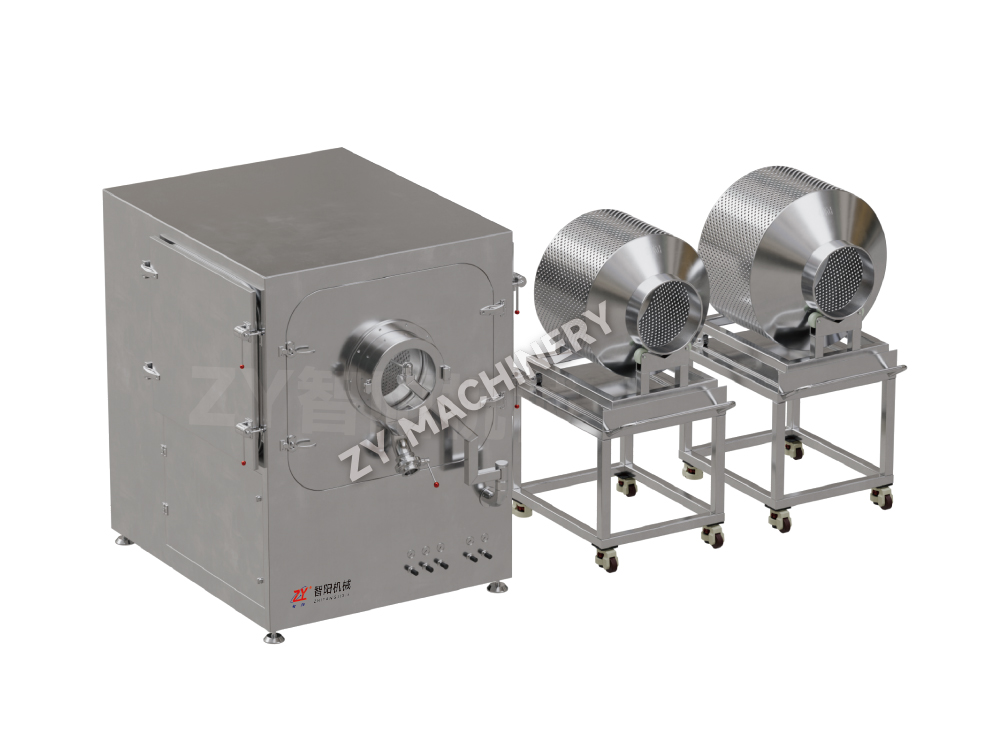
Coating adds another layer of process complexity. Film coating, sugar coating, enteric coating, and functional coatings each have unique process requirements. For functional films, uniformity of coating weight is critical, and the coating process parameters must be validated with the same rigor as granulation.
Finally, the transfer of materials between unit operations is part of the process. Dust-free transfer, vacuum feeding, and containerized handling prevent segregation and cross-contamination. Automation of these transfers also reduces the human error that often appears when comparing development batches with production batches.
Scale-up is where the quality of process development is truly tested. A process that worked on a 10 kg laboratory machine can fail when transferred to a 300 kg production unit, not because the chemistry changed, but because geometry, heat transfer, and powder flow behavior changed.
Practical scale-up factors include:
Another scale-up factor that is frequently underestimated is containment and cleaning. Products with potent or toxic APIs require dust-tight equipment and validated cleaning procedures. If the development team ignores these constraints until the production line is commissioned, the consequences can include expensive equipment modifications and delayed registration. Designing the process with containment and cleaning in mind from the start is far more efficient.
Equipment selection is not a procurement exercise; it is a process development activity. The right equipment gives the process enough flexibility to be optimized; the wrong equipment locks in limitations that no amount of parameter tweaking can overcome.
Several principles guide sound equipment selection in solid dosage process development:
For contract development organizations and manufacturers alike, the ability to evaluate different granulation routes, mixing strategies, and drying methods on representative equipment shortens development timelines and reduces the number of failed batches.
Process development in the pharmaceutical industry is not a single milestone; it is a continuous activity that runs from candidate selection through commercial validation and into lifecycle management. For oral solid dosage forms, the central challenge is reproducible powder handling: blending, granulating, drying, sizing, and final processing under conditions that remain within control.
The equipment used in development defines the boundaries of what the process can achieve. A high-shear granulator with a consistent endpoint, a roller compactor with stable roll pressure, and a fluid-bed system with reliable spray and airflow control give process development teams the tools they need to create processes that survive scale-up and regulatory scrutiny. When those tools are matched to the material, the scale, and the facility, process development stops being a source of delays and becomes what it is supposed to be: the shortest reliable path to a manufacturable product.
Want to stay up to date?
Contact us via the email address below.
Don't worry about spam. We hate it too!
Mobile Client

Video Account
Phone:+86-15161130178
Tel:+86-519-88674267
Email:czzy188@163.com
Phone:+86-15161132798
Email:zy@zy-drying.com

WeChat ID

Copyright 2026 Changzhou Zhiyang Machinery Equipment Co., Ltd. All Rights Reserved  Oral Solid Dosage Equipment Manufacturer