 English
 Español
 русский
 中文简体
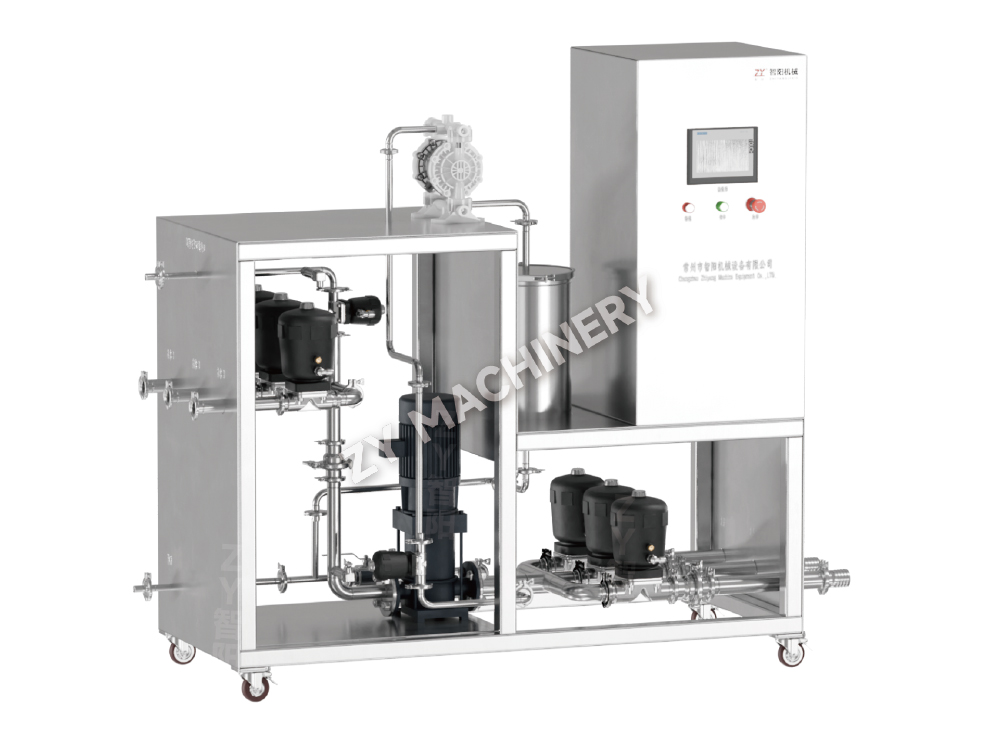
中文简体QWQY Mobile CIP Cleaning Station
The QWQY Mobile CIP Cleaning Station is used in solid dosage manufacturing .....

Content
At the end of a production shift, a thin film of active residue might remain inside a high-shear granulator. It is invisible, but it is enough to fail a routine swab test and hold up a batch release. Clean-in-place (CIP) is the engineered answer: it cleans equipment interiors without disassembly, using automated cycles of rinse, detergent, and heated water. When properly designed and validated, CIP gives pharmaceutical manufacturers reproducible cleaning performance, lower cross-contamination risk, and stronger compliance evidence than most manual regimes.
Clean-in-place is a cleaning method where process equipment such as tanks, mixers, granulators, coating pans, transfer lines, and portable containers is cleaned by circulating cleaning solutions through the equipment while it remains assembled. The system controls flow rate, temperature, detergent concentration, and contact time to consistently remove product residues and foreign matter from internal surfaces.
In pharmaceutical facilities, CIP is not limited to fixed vessels. Oral solid dosage lines often clean bins, hoppers, and vacuum transfer systems with automated washers. Biopharmaceutical plants combine CIP with steam-in-place (SIP) to achieve both cleanliness and sterility. The common principle is that the CIP design must match the equipment geometry, material of construction, and residue characteristics to be effective.
The first reason is regulatory. Global GMP frameworks explicitly require effective cleaning to prevent contamination and cross-contamination between products. A documented CIP process provides evidence that equipment is clean and fit for the next batch. Manual cleaning, by contrast, is operator-dependent and difficult to reproduce with the same level of confidence.
Automated CIP also improves worker safety. Operators avoid direct contact with potent active ingredients and aggressive detergents. In addition, CIP reduces downtime: instead of disassembling a machine, cleaning each part, and reassembling it, the equipment can be cleaned in place and prepared for the next product in a much shorter window.
CIP is not a fixed recipe. The correct cycle depends on the product’s solubility, the soil load, the equipment material (often 316L stainless steel), and the toxicological risk of the residues. That is why validation and system design are so important.
Although every pharmaceutical CIP installation is customised, a normal cycle follows a logical sequence of stages. A simplified overview is:
Each stage is defined by four key parameters: flow velocity, temperature, detergent concentration, and contact time. These parameters are selected during process development and then verified during cleaning validation. Because no two installations are identical, validation must reflect the actual conditions of each system.
Effective CIP design begins with the equipment itself. Pipework should avoid dead legs, vessel interiors should be smooth and self-draining, and every wetted material must be compatible with the cleaning agents. Once the equipment is cleanable, the next decision is the type of CIP unit: fixed or mobile.
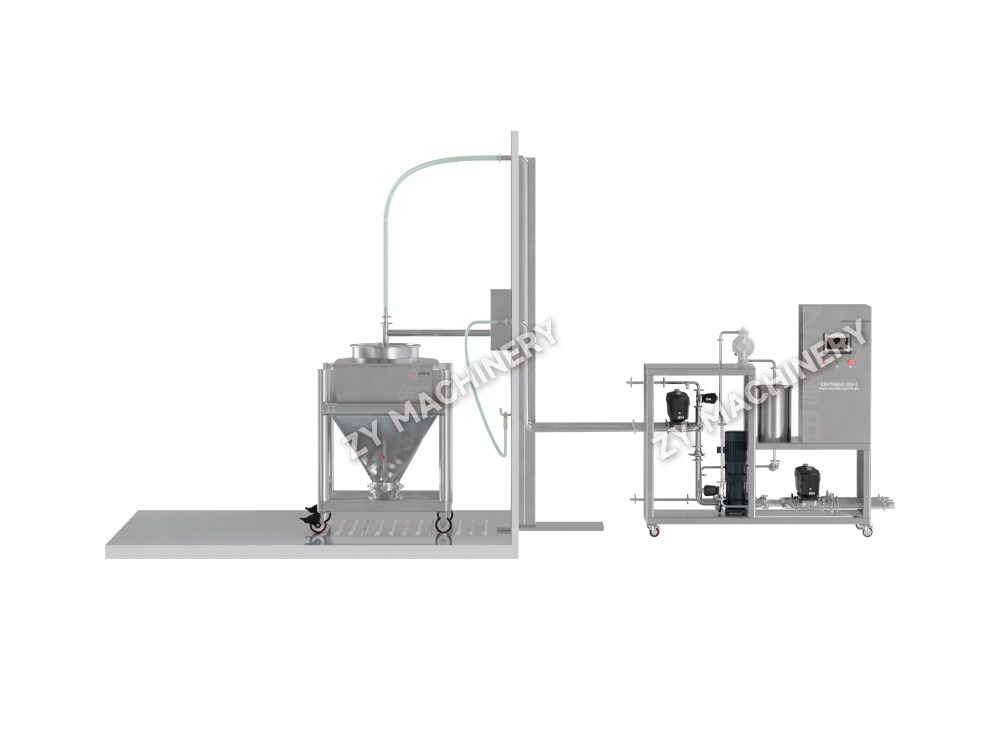
A fixed CIP system is dedicated to one production line and is often the best choice for high-volume single-product plants. A mobile CIP station, however, is designed to serve multiple vessels, bins, and process lines across different rooms. It brings cleaning capability to where it is needed, which is particularly valuable in multiproduct facilities or plants with isolated production suites.
A well-built mobile unit includes its own pumps, heat exchangers, tanks, and programmable controls, so it can reproduce a validated cleaning recipe at each connection point. If your plant operates several suites or runs changing product portfolios, investing in a mobile CIP cleaning station can lower capital costs while still delivering reliable cleaning results.
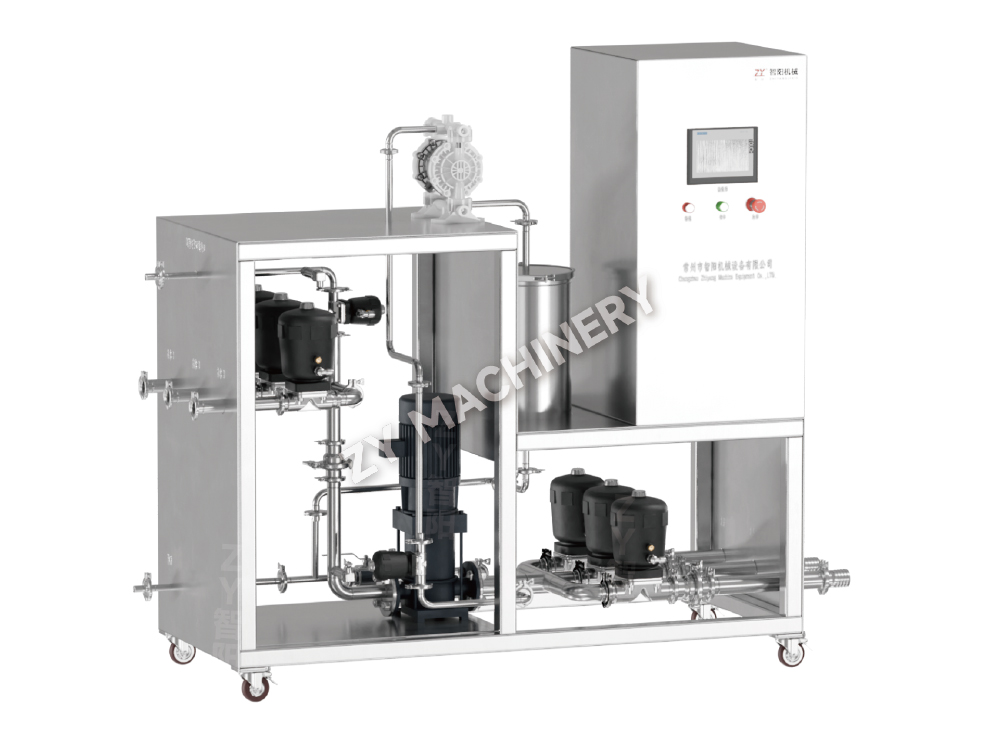 QWQY Mobile CIP Cleaning Station Suppliers, OEM/ODM Company - Changzhou Zhiyang As China QWQY Mobile CIP Cleaning Station Suppliers and OEM/ODM Company, ZY Machinery offer QWQY Mobile CIP Cleaning Station for sale,The...View Product →
CIP is only as trustworthy as the evidence that it consistently works. Cleaning validation documents that a defined cleaning procedure removes product residues, detergents, and microorganisms to predetermined acceptance criteria. The core steps are:
A typical set of acceptance criteria is shown in the table below.
| Parameter | Typical acceptance limit |
|---|---|
| Active residue | ≤ 10 ppm, or ≤ 0.001 of the next product’s minimum therapeutic dose, whichever is lower |
| Total organic carbon (TOC) | ≤ 100 ppb in final rinse water |
| Conductivity | < 1 µS/cm at 25°C (or matching purified water) |
| Visual inspection | No visible residue on surfaces |
| Microbial count | < 100 CFU/25 cm² per swab |
| Endotoxin (for aseptic lines) | < 0.25 EU/mL in rinse water |
These limits are examples, not universal standards. The final numbers must come from a toxicological risk assessment and the intended use of the next batch.
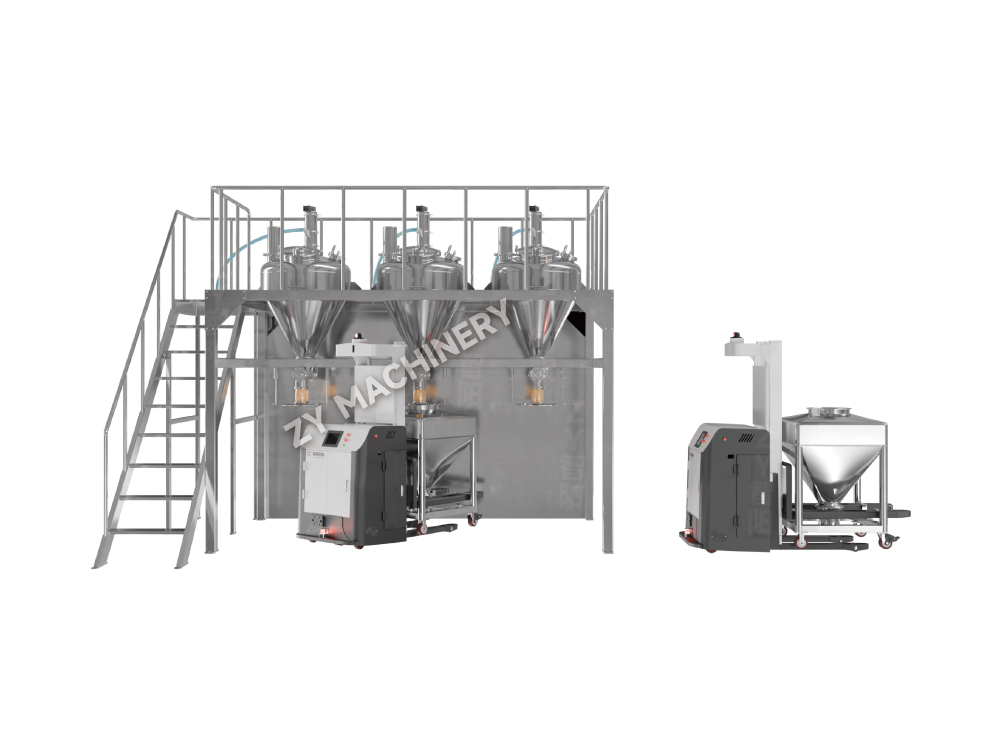
Oral solid dosage lines present a unique cleaning challenge because product contact surfaces often include bins, hoppers, transfer chutes, and granulation bowls. These components move around the facility, and their large internal surfaces can retain powder residue. Manual wiping is slow and hard to verify, while automated bin washing gives a repeatable, documented result.
After a granulation batch is discharged, the bin and hopper can be taken to a washing station where high-pressure spray nozzles direct detergent and rinse solutions over all internal surfaces. An automatic bin washing machine can handle several bin sizes and provide a reproducible cleaning cycle that supports validation. When production uses portable containers or fixed transfer lines, a dedicated washing station becomes an essential link in the overall cleaning strategy.
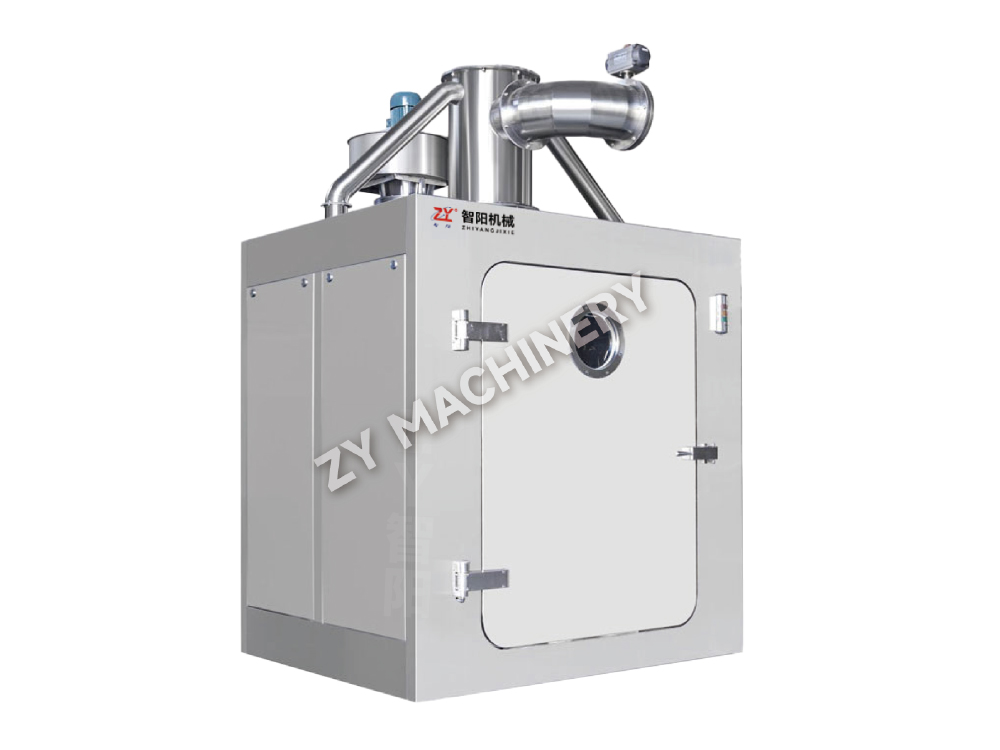 QD Automatic Bin Washing Machine Suppliers, OEM/ODM Company - Changzhou Zhiyang As China QD Automatic Bin Washing Machine Suppliers and OEM/ODM Company, ZY Machinery offer QD Automatic Bin Washing Machine for sale,The...View Product →
Even well-intentioned CIP programs can fail when small details are overlooked. Common mistakes include:
Avoiding these pitfalls requires a complete view of the cleaning process: equipment design, operating procedures, analytical methods, and continuous monitoring.
Clean-in-place is not simply a matter of pressing a button. It is a process that must be engineered around your equipment, validated under real production conditions, and maintained with the same rigor as the manufacturing process itself. The right approach starts with equipment designed for cleanability, a CIP system matched to your plant’s layout and product mix, and a clear validation plan. When those three elements work together, CIP becomes one of the most reliable tools in pharmaceutical manufacturing.
Want to stay up to date?
Contact us via the email address below.
Don't worry about spam. We hate it too!
Mobile Client

Video Account
Phone:+86-15161130178
Tel:+86-519-88674267
Email:czzy188@163.com
Phone:+86-15161132798
Email:zy@zy-drying.com

WeChat ID

Copyright 2026 Changzhou Zhiyang Machinery Equipment Co., Ltd. All Rights Reserved  Oral Solid Dosage Equipment Manufacturer